What Exactly is a Laser?
What exactly is a Laser?
Laser stands for – light amplification by stimulated emission of radiation. A laser is a device that produces a highly focused and coherent beam of light. Unlike ordinary light, a laser has unique traits that it all needs to qualify as one.
Monochromatic – has a single color/wavelength
Coherent – light waves are aligned together
Directional – traveling in a straight, narrow beam
Why is Wavelength Important?
Laser wavelength determines the color and depth of light a laser delivers, directly affecting how it targets the skin. Shorter wavelengths focus on superficial structures like pigment spots or fine vessels, while longer wavelengths penetrate deeper for hair removal, vascular treatments, and deeper pigmentation. Selecting the right wavelength ensures precise, safe, and effective results, delivering the best outcomes for every patient.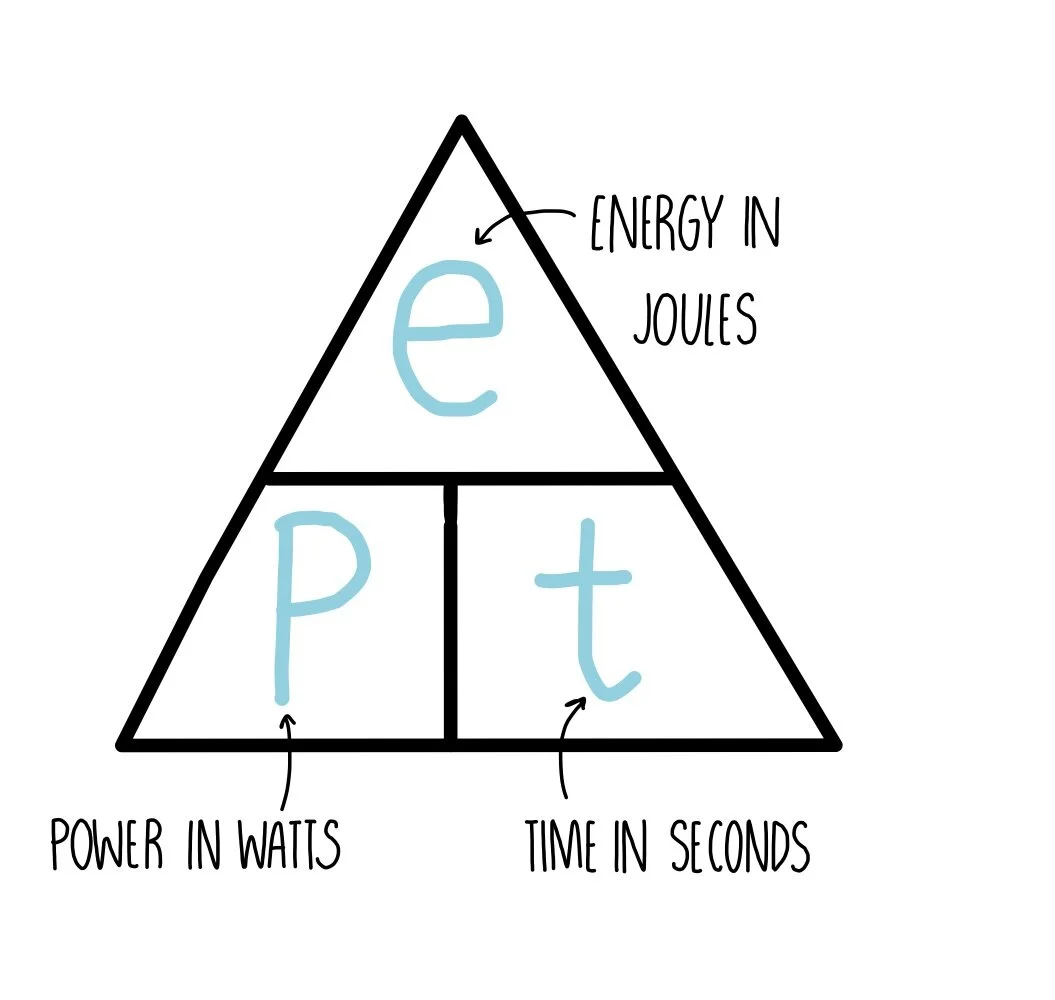
Other Parameters
While the wavelength is important, there are other important parameters to help determine which laser to use for which specific application. Some parameters can be formulated together, such as energy density (power/time).
Fluence (Energy Density): The amount of laser energy delivered per unit area (J/cm²). Higher fluence increases treatment intensity, while lower fluence is gentler on the skin.
Power Density: The rate at which energy is delivered per unit area (W/cm²). It helps determine how quickly and effectively the tissue absorbs laser energy, influencing precision and safety.
Pulse Duration: The length of each laser pulse. Short pulses target fine structures or pigments precisely, while longer pulses treat larger or deeper targets.
Pulse Profile: Describes how energy is distributed over the duration of the pulse. A smooth, uniform pulse delivers energy consistently, while a spiked profile concentrates energy at specific moments—affecting treatment efficiency and tissue response.
Spot Size: The diameter of the laser beam on the skin. Larger spots penetrate deeper and cover more area; smaller spots allow precise targeting of tiny structures.
Frequency (Repetition Rate): How many pulses are delivered per second. Higher frequency speeds up treatment, while lower frequency allows careful, controlled application.
Energy: The total power delivered in each pulse. Combined with fluence, power density, and spot size, it determines how effectively the laser interacts with the target tissue.
Together, these parameters let practitioners customize treatments for safety, precision, and maximum effectiveness, ensuring the best outcomes for each patient.

Featured Products
PicoVive
NanoVive
PulseVive
PrimaVive
DuoVive
Get the Brochure
Download our comprehensive brochure to explore our full range of products and services.
Request PDF