NanoVive
Shatter Pigment. Reveal Clarity.
A Q-switched Nd:YAG platform for tattoo, pigmentation, vascular and skin-rejuvenation workflows.
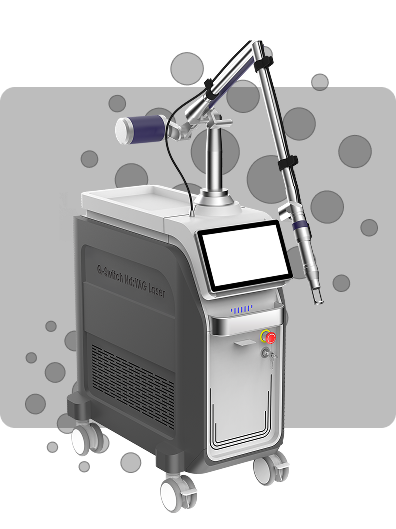
Device overview
NanoVive at a glance
A Q-switched Nd:YAG platform for tattoo, pigmentation, vascular and skin-rejuvenation workflows.
- Technology
- ND-YAG Lasers · Q-Switched ND:YAG Laser
- Format
- Confirm available configuration
- Applications to discuss
- Tattoo Removal · Skin Rejuvenation · Vascular Lesions · Pigmentation Disorders
- Specifications & documentation
- Find model-specific records · Confirm the supplied model and handpieces with Apolomed.
Technical specificationsOpen NanoVive specifications
- Wavelength
- 1064/532nm, 585/650nm (optional)
- Pulse Duration
- <6ns (Q-switched), 300µs (SPT mode), 5–30ms (Hair removal)
- Spot Sizes
- 2–10mm, 6–18mm
- Maximum Wattage
- 3,000 W
- Electrical Input
- 120–240 VAC, 50/60 Hz
- Operating System
- ARM-A13 CPU, Android
- Cooling
- Advanced Air & Water
- Frequency (Hz)
- 1–10 Hz
- Device Size (L × W × H)
- 79 × 43 × 88 cm
- Device Weight
- 72.5 kg
- Energy — Q-switched, 1064 nm
- Max. 1200 mJ
- Energy — Q-switched, 532 nm
- Max. 500 mJ
- Energy — SPT, 1064 nm
- Max. 1400 mJ
- Fluence — Hair removal, 1064 nm
- Max. 60 J/cm²
- Nd crystal — North American devices
- Premium Czochralski-grown Nd single-crystal rod
- Crystal growth — North American devices
- Induction-heated iridium crucible
- Optical coatings — North American devices
- Apolomed coating specifications for long-term durability and consistent optical performance
- Laser cavity — North American devices
- Precision quartz flow-tube and laser-cavity architecture
Aerospace aluminum articulated arm
An articulated laser delivery arm with aerospace aluminum construction supports flexible handpiece positioning for the Q-switched configuration.
Explore the articulated armApplication categories support product discussion. They do not establish clearance or suitability for every configuration.
NanoVive Additional Details
BENEATH THE SURFACE
How the technology works
Q-switched pulses target pigment; a separately selected long-pulse mode uses a different thermal interaction.
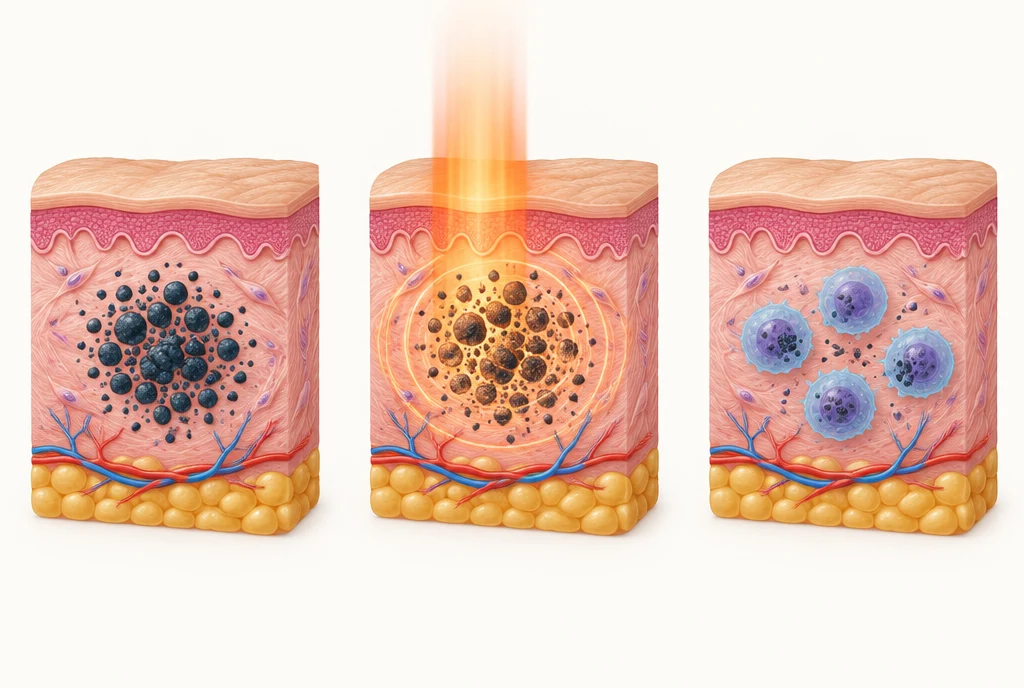
Short pulses. Localized pigment interaction.
Short laser pulses are absorbed by selected pigment particles. Rapid energy deposition produces thermal and mechanical effects that can fragment tattoo ink; the body's immune processes gradually handle the fragments. Wavelength and pulse duration help determine which pigment is targeted.
- Pigment absorbs the pulse
- Particles fragment
- Gradual biological processing follows
Illustrative tissue interactions, not to scale. Treatment response depends on the selected handpiece, settings and individual assessment.
Compare pulse platforms
| Device | Pulse technology | Maximum pulse energy at 1064 / 532 nm |
|---|---|---|
| PicoVive | Picosecond | 500 / 250 mJ |
| PicoFusion | Picosecond + Q-switched modes | Pico: 500 / 250 mJ; Q-switched: 1200 / 500 mJ |
| NanoVive | Q-switched; SPT and long-pulse modes | Q-switched: 1200 / 500 mJ |
PicoFusion and NanoVive also list SPT 1064 nm up to 1400 mJ and hair-removal mode up to 60 J/cm². Pulse energy (mJ) and fluence (J/cm²) are different measures. Maximum values depend on mode; energy alone does not determine suitability or results.
Dedicated device or multi-technology platform?
| Consideration | Dedicated device | Apolo One / PrimaVive |
|---|---|---|
| Service focus | A focused technology for a defined workflow | Several technology options on one platform |
| Configuration | Compare the model’s pulse modes and available optics | Specify each required module, handpiece and accessory |
| Clinic planning | Consider room allocation and simultaneous appointments | Consider shared-platform scheduling, training and future options |
Nanosecond lasers remain widely valued because they deliver strong, reliable photothermal and photoacoustic energy that effectively breaks down pigment in both cosmetic and medical applications. Their pulse duration—measured in billionths of a second—creates sufficient peak power to fragment tattoo ink and treat many epidermal and dermal pigmented lesions, while maintaining a balance of controlled heat that can enhance therapeutic impact. This makes nanosecond platforms suitable for patients seeking dependable pigment clearance without the need for more advanced or specialized technology.
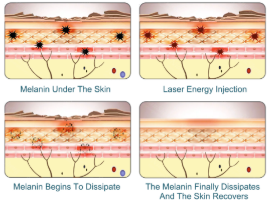
They also offer a high degree of versatility and consistency, making them a trusted choice for clinics handling a broad range of tattoo colors, especially darker inks that respond well to 1064 nm nanosecond wavelengths. Because the design of these systems has been refined over many years, providers appreciate their predictable performance, stable output, and straightforward operating parameters. This reliability makes training easier and reduces variability in outcomes, particularly for high-volume practices.
Nanosecond lasers are additionally attractive due to their cost-effectiveness and accessibility. They typically carry a lower investment cost than picosecond systems while still delivering strong clinical results for tattoos and pigment. This combination of affordability, proven technology, and broad application range enables many practices to offer effective pigmentation services without the financial or operational demands of newer platforms.
Handpieces and Lens
BENEATH THE SURFACE
How the technology works
Q-switched pulses target pigment; a separately selected long-pulse mode uses a different thermal interaction.
Short pulses. Localized pigment interaction.
Short laser pulses are absorbed by selected pigment particles. Rapid energy deposition produces thermal and mechanical effects that can fragment tattoo ink; the body's immune processes gradually handle the fragments. Wavelength and pulse duration help determine which pigment is targeted.
- Pigment absorbs the pulse
- Particles fragment
- Gradual biological processing follows
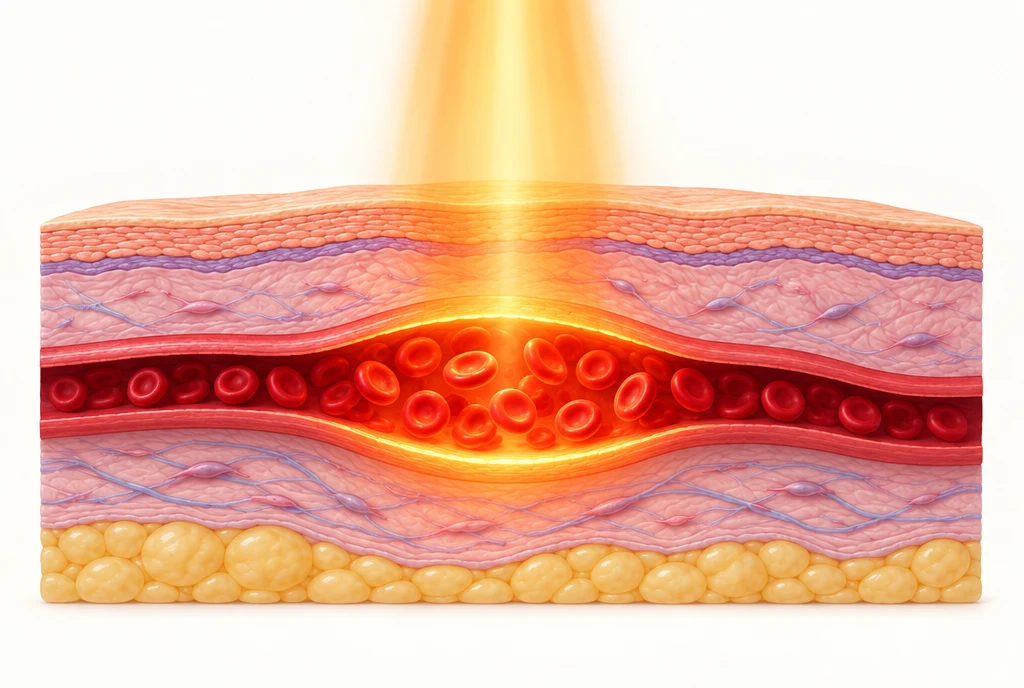
Heating the intended vessel
With an appropriate wavelength and pulse duration, light absorption in blood can heat a selected vessel and its wall. That localized thermal interaction is the basis of vascular laser treatment. Vessel size, depth and skin characteristics guide the clinician's choice of settings.
- Light reaches the vessel
- Blood absorbs energy
- Heat transfers to the vessel wall
Illustrative tissue interactions, not to scale. Treatment response depends on the selected handpiece, settings and individual assessment.
Compare pulse platforms
| Device | Pulse technology | Maximum pulse energy at 1064 / 532 nm |
|---|---|---|
| PicoVive | Picosecond | 500 / 250 mJ |
| PicoFusion | Picosecond + Q-switched modes | Pico: 500 / 250 mJ; Q-switched: 1200 / 500 mJ |
| NanoVive | Q-switched; SPT and long-pulse modes | Q-switched: 1200 / 500 mJ |
PicoFusion and NanoVive also list SPT 1064 nm up to 1400 mJ and hair-removal mode up to 60 J/cm². Pulse energy (mJ) and fluence (J/cm²) are different measures. Maximum values depend on mode; energy alone does not determine suitability or results.
Dedicated device or multi-technology platform?
| Consideration | Dedicated device | Apolo One / PrimaVive |
|---|---|---|
| Service focus | A focused technology for a defined workflow | Several technology options on one platform |
| Configuration | Compare the model’s pulse modes and available optics | Specify each required module, handpiece and accessory |
| Clinic planning | Consider room allocation and simultaneous appointments | Consider shared-platform scheduling, training and future options |

The 585 nm dye lens handpiece is optimized for efficient targeting of sky-blue pigment inks, while the 650 nm dye lens handpiece is specifically designed to effectively address green pigment inks, enabling more precise and selective pigment clearance across challenging tattoo colors.
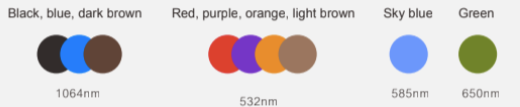
Laser with different wavelengths has more advantages in removing tattoos of different colors
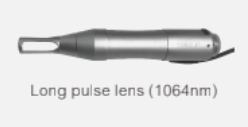
Long Pulse 1064nm handpiece allows for safe hair removal even for darker skin tones that traditional lasers struggle with.
Fractional Technology Highlights
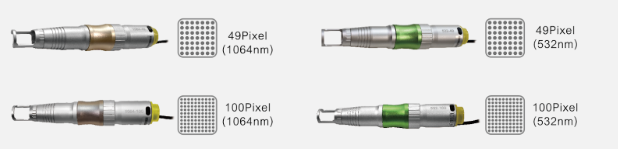
The fractional lens array creates pixel-sized perforations in a 5×5 or 6×6 non-ablative pattern, evenly distributing energy across the treated area. It can also perform non-sequential scanning, which increases the interval between adjacent pulses and improves heat dissipation. This process stimulates collagen production, triggers neocollagenesis, and rejuvenates the target tissue.
Collimating lens
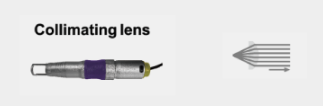
The collimating lens uses convex lenses or other methods to convert divergent incident light into parallel beams of energy to the target tissue with minimal dispersion, regardless of distance from the skin. (Collimating lens only for nanosecond systems).
Array lens (532 nm + 1064 nm)
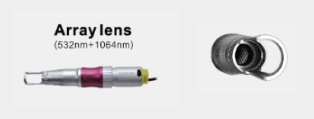
The array lens makes energy more concentrated. The pigment is shattered and metabolized more easily. In addition, it stimulates collagen regeneration, helping to repair scars and reduce wrinkles.
Advanced medical power supply (IGBT)
Our advanced IGBT based medical power supply delivers exceptional efficiency and performance. Compared to conventional systems, it achieves significantly higher power conversion efficiency with reduced energy loss and minimal heat generation, ensuring stable and reliable operation during extended clinical use.
Operating at frequencies reaching several hundred kilohertz, the system provides ultra fast response times measured in tens of nanoseconds. This allows precise energy delivery and superior pulse control for consistent treatment outcomes.
The highly integrated IGBT module design results in a more compact footprint with reduced weight, improving overall system reliability while supporting high power demands.

Advanced Operating and Cooling Systems
The system utilizes an integrated liquid-cooled thermal management architecture engineered to maintain stable performance during continuous high-power operation. Heat is efficiently transferred from critical internal components through a closed-loop liquid cooling circuit to a high-efficiency radiator featuring precision-machined copper fin structures.
The liquid medium enables rapid and uniform heat extraction, while copper’s high thermal conductivity maximizes thermal exchange at the radiator level. This design ensures consistent temperature control across demanding treatment cycles and extended use.
By actively regulating thermal load at the source, the system minimizes heat accumulation, reduces stress on electronic and optical components, and enhances overall system stability. The result is improved performance consistency, quieter operation, and extended service life in clinical environments.
| Category | Specification |
|---|---|
| Wavelength | 1064/532nm, 585/650nm (optional) |
| Pulse Duration | <6ns (Q-switched), 300µs (SPT mode), 5–30ms (Hair removal) |
| Spot Sizes | 2–10mm, 6–18mm |
| Maximum Wattage | 3,000 W |
| Electrical Input | 120–240 VAC, 50/60 Hz |
| Operating System | ARM-A13 CPU, Android |
| Cooling | Advanced Air & Water |
| Frequency (Hz) | 1–10 Hz |
| Device Size (L × W × H) | 79 × 43 × 88 cm |
| Device Weight | 72.5 kg |
| Energy — Q-switched, 1064 nm | Max. 1200 mJ |
| Energy — Q-switched, 532 nm | Max. 500 mJ |
| Energy — SPT, 1064 nm | Max. 1400 mJ |
| Fluence — Hair removal, 1064 nm | Max. 60 J/cm² |
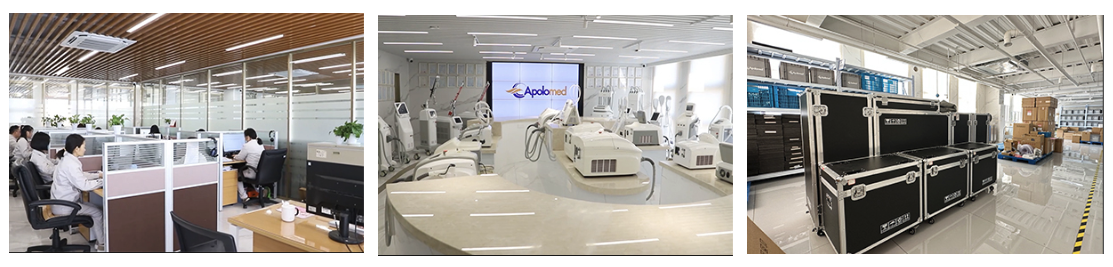
What’s Included
Each device package arrives with the core components and accessories needed for a smooth setup, ensuring you can integrate the equipment into your workflow quickly and confidently. Everything is organized to support reliable, everyday use from the start.
Support That Adds Real Value
Every purchase is backed by guided onboarding and a full-service warranty that covers both the device and key consumables. This level of support helps protect your investment while ensuring consistent, long-term performance.
Comprehensive Education & Training
To help your team get the most out of the technology, each device includes access to in-depth education and training resources. From operational guidance to best-practice techniques, these programs equip users with the knowledge and confidence needed to deliver safe, effective, and consistent treatments.
Handpieces that Matter
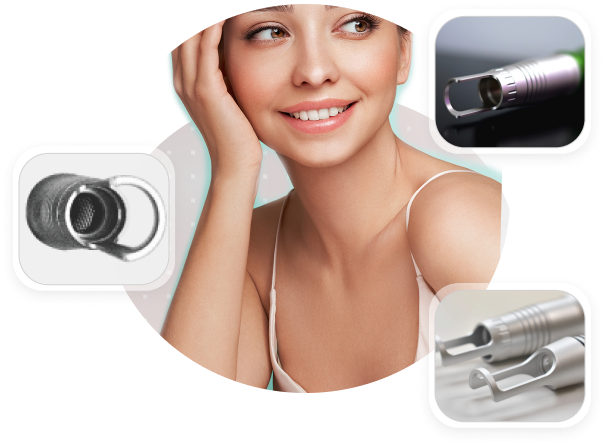
The NanoVive penetrates the skin and can shatter pigmented areas without harming the surrounding healthy skin. These handpieces are modularized for ease of use with interlocked designs for a safe treatment environment. Our LIOB delivery supports a 6x6 DOE and MLA array for uniform treatments throughout the skin.
Inside our Nd:YAG technology
Engineered for Optical Performance
For North American DevicesThe premium crystal and quartz-cavity specifications described below apply to our North American device configurations.
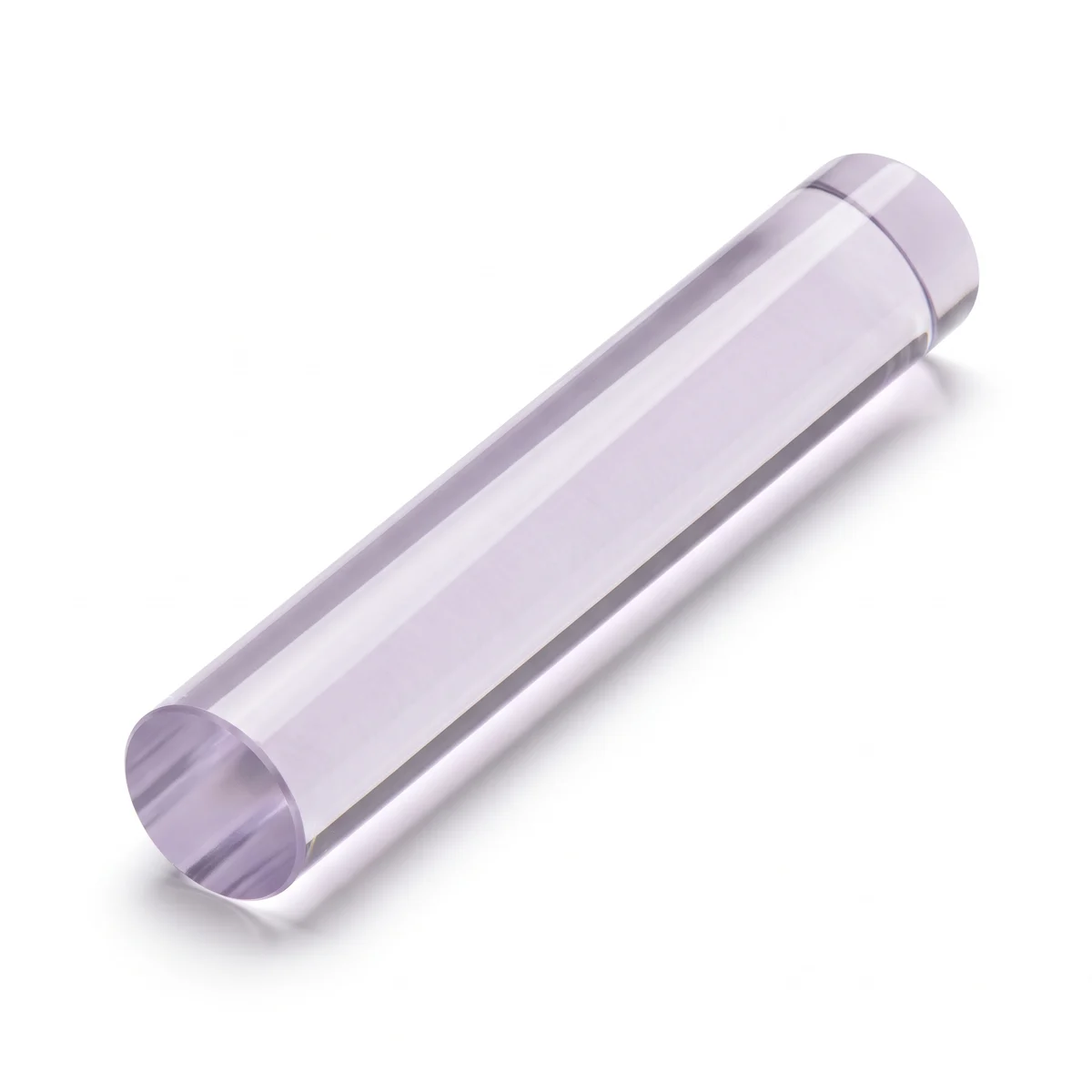
Premium Czochralski-Grown Nd Crystal
Our North American Nd laser systems use high-optical-quality Nd single-crystal rods grown using the Czochralski process in an induction-heated iridium crucible.
Crystal quality & beam performance
Carefully controlled crystal growth helps achieve high Nd³⁺ dopant uniformity, excellent optical homogeneity, low internal stress and reduced wavefront distortion. These characteristics are important for maintaining consistent laser propagation through the gain medium and supporting a clean, stable beam with uniform energy distribution across the treatment spot.
We also specify our own optical coating requirements to support long-term durability and consistent optical performance in our North American Nd laser systems.
Rather than selecting laser rods based solely on cost, we specify higher-grade crystals for their optical quality, consistency and ability to withstand the high peak-energy demands of Q-switched and picosecond Nd systems.
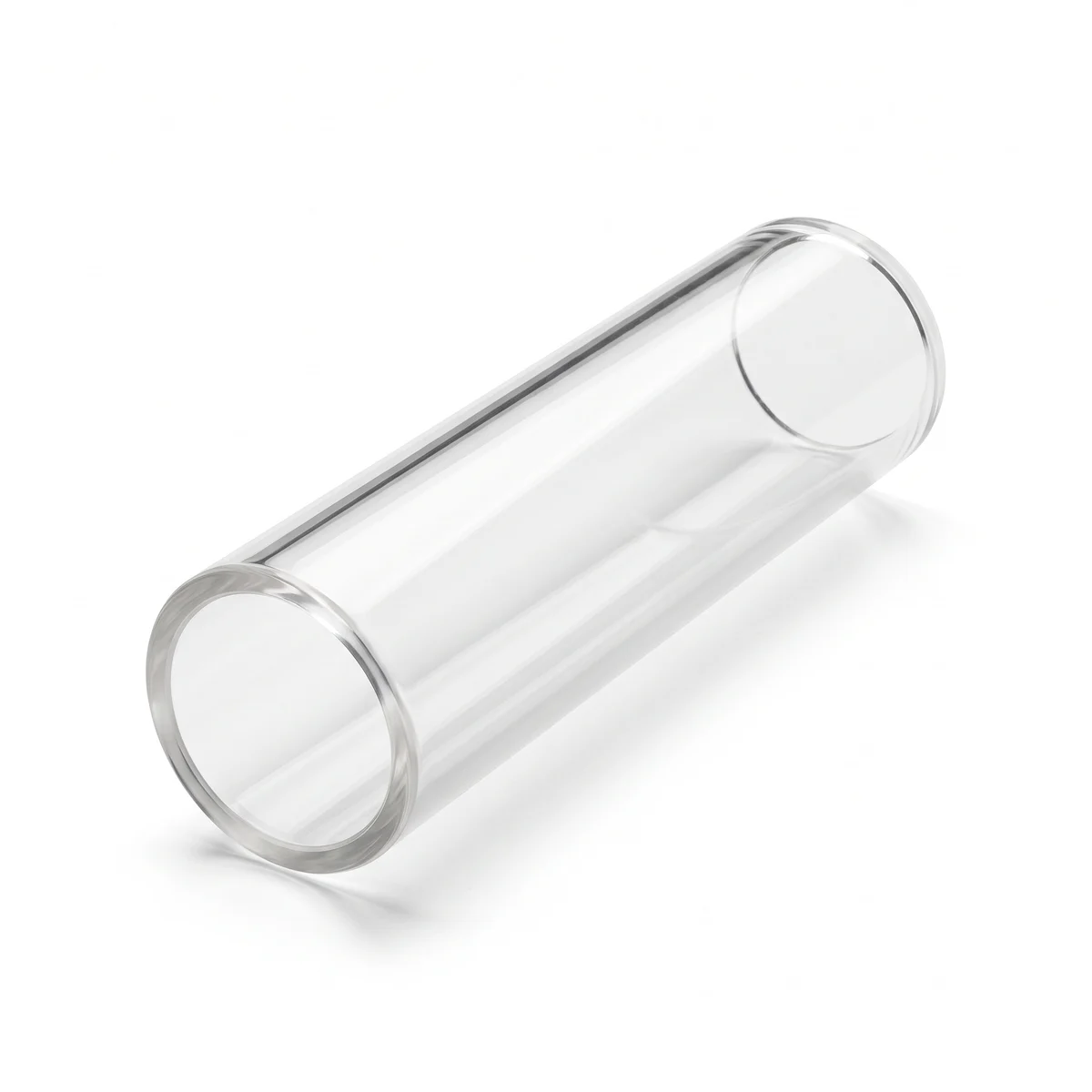
Precision Quartz Laser Cavity
Our North American Nd platforms utilize a precision quartz flow-tube and laser-cavity architecture selected for its high optical transmission, thermal stability and resistance to thermal shock.
Cooling, pumping & output stability
The quartz assembly helps isolate and cool the Nd crystal while allowing efficient transmission of pump energy from the flashlamp. Combined with optimized cavity geometry and cooling, this helps maintain stable operating temperatures, consistent pumping of the crystal and repeatable laser output during high-energy operation.
The result is a laser head engineered around beam quality, energy stability and long-term optical performance, rather than simply minimizing component cost.
Inside NanoVive · Q-switched delivery
Aerospace Aluminum. Articulated Control.
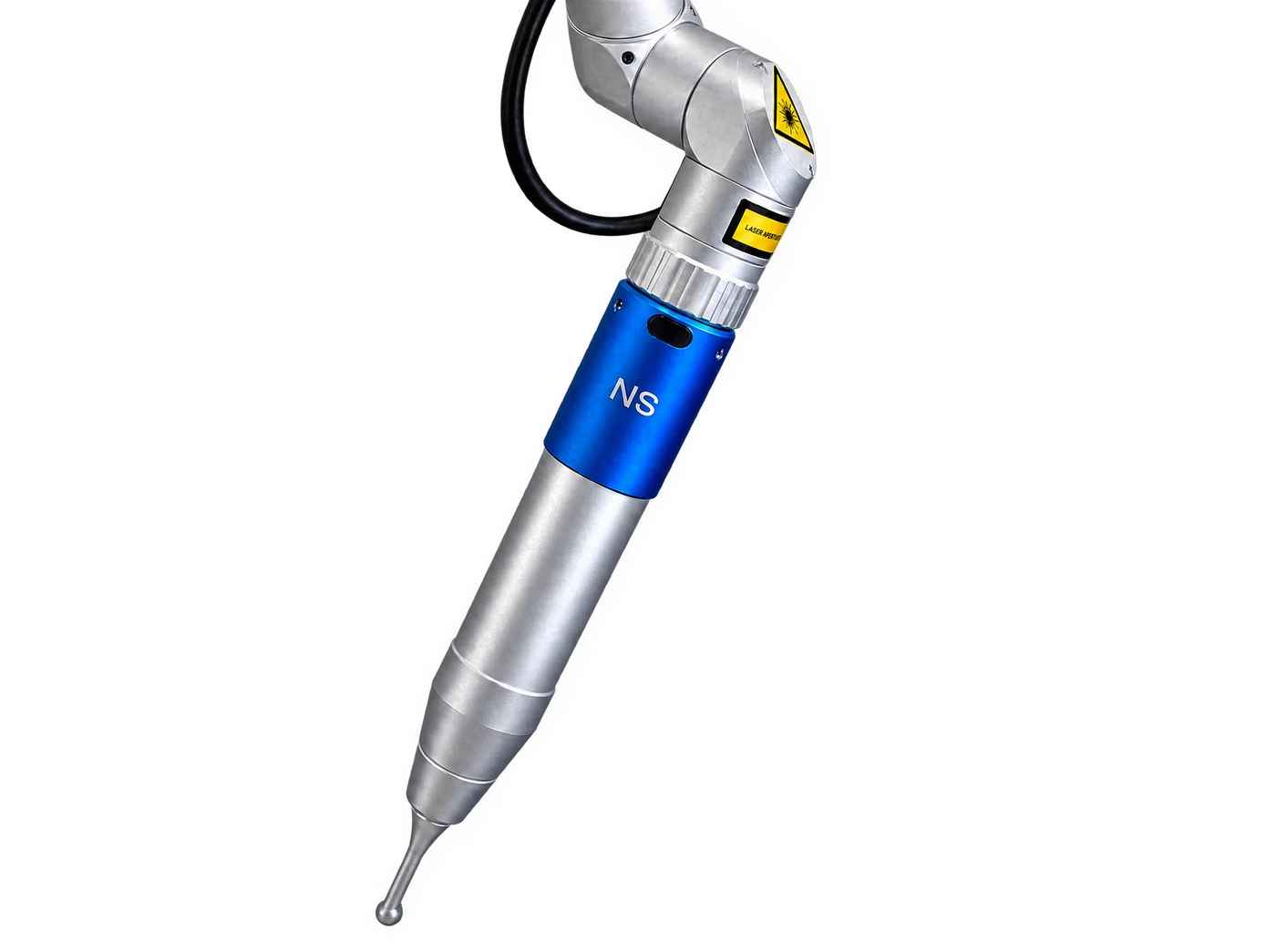
An aerospace aluminum articulated arm brings durable construction and flexible handpiece positioning to NanoVive’s Q-switched configuration.
Engineered for Positioning
The arm’s connected segments and pivoting joints let the operator reposition the Q-switched handpiece around the treatment area. The articulated structure supports the delivery assembly while allowing its orientation to be adjusted for the procedure.
Aerospace Aluminum Construction
Aerospace aluminum combines a lightweight structure with mechanical strength. Applied to the arm, it supports a balance of structural durability and manageable weight during positioning.
Confirm the supplied arm, handpiece and optics when selecting your NanoVive package.
NanoVive Package
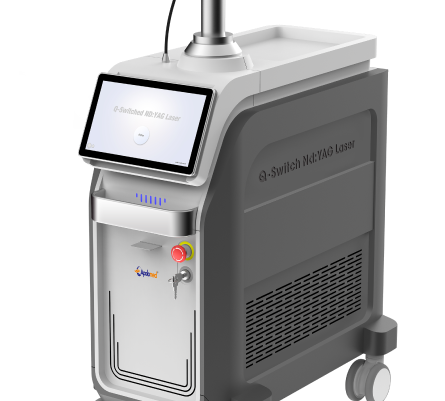
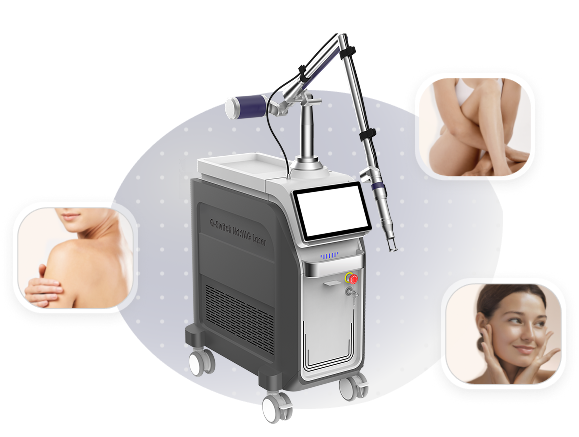
Delivery for this device comes with the main unit, user manual, device-specific goggles, articulating arm, package dependent handpieces/lens, foot pedal, and a dust cover. Device support includes an extensive training program and device setup.Additional services include a two-year full service warranty, including consumables.
NanoVive Technical Specs
Learn more about the system’s capabilities and the technology that drives its dependable performance. Explore how its engineered components work together to deliver consistent, high-quality results. See how this platform supports efficient, effective treatments across various aesthetic needs.
Service and Support
We believe long-term success comes from strong partnerships. Apolomed supports distributors and providers before, during, and long after installation through structured product training, clinical education, and responsive technical service.
Our global service network includes regional support teams and dedicated facilities, such as our U.S. distribution and service center in New York. This infrastructure ensures reliable communication, timely service, and consistent support across international markets.
Learn moreRequest the Product Brochure
Enter your name and email, and we will send this product's brochure link.
Request Brochure
Related Treatments

Tattoo Removal

Vascular Lesions

Pigmentation Disorders

Skin Rejuvenation
Frequently Asked Questions
What products are safe for my face after a laser treatment?
Why is the 585nm and 650nm wavelength chosen?
What should I avoid after a Laser Treatment?
Is patient numbing cream or anesthesia required?
What is the difference between Photoacoustic and Photothermal?
What is the difference between DOE and MLA?
Who cannot receive treatments?
How does the laser target specific spots without damaging surrounding areas?
What is the typical downtime between each laser session?
What does the warranty package include?
How are treatment settings selected for different Fitzpatrick skin types?
Are treatment results permanent?
Which pulse modes are listed for NanoVive?
The specification page lists Q-switched pulses below 6 ns, a 300 µs SPT mode and a 5–30 ms hair-removal mode. Confirm which modes and handpieces are included in the configuration offered to your practice.
Are the 585 nm and 650 nm options included as standard?
NanoVive lists 1064/532 nm wavelengths with 585/650 nm options. Ask for an itemized quotation identifying the optional wavelength accessories and their compatible handpieces.
How does NanoVive compare with PicoVive?
NanoVive is a Q-switched Nd:YAG platform with nanosecond and other listed pulse modes. PicoVive is a picosecond Nd:YAG platform. Compare the intended workflow, supplied optics and pulse specifications rather than choosing by product name alone.
Which spot sizes can I discuss for NanoVive?
The specification page lists 2–10 mm and 6–18 mm spot-size ranges. The usable range depends on the handpiece and mode, so confirm the lens and accessory combination required for your intended work.
What supports NanoVive's laser-head performance?
The North American device technology section describes high-grade Nd crystal rods, a quartz flow-tube and laser-cavity architecture, and Apolomed's coating specifications. These are engineering features intended to support optical consistency, cooling and long-term component performance.
Ready to Compare Devices?
Tell us which treatments or devices you are evaluating, and a specialist can help you compare options.