Understanding Different Laser Wavelengths and Skin Penetration in Aesthetic Treatments
Laser technology has transformed modern dermatology and aesthetic medicine, offering precise and effective solutions for skin concerns such as wrinkles, acne scars, pigmentation, and unwanted hair. However, not all lasers are the same. Different laser wavelengths penetrate the skin at varying depths and target specific structures, making it important to understand how these technologies work.
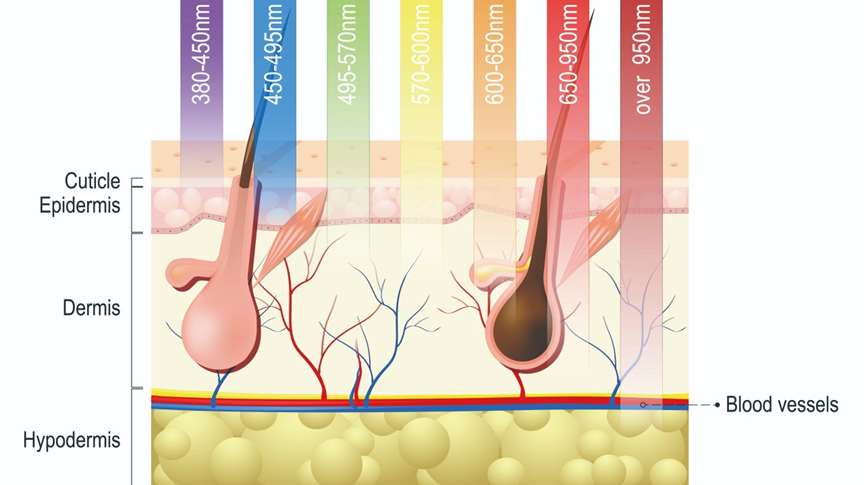
Laser wavelength refers to the distance between light waves, measured in nanometers (nm). The wavelength determines how deeply the laser penetrates the skin and which chromophore (target) it affects, such as water, melanin, or hemoglobin. Shorter wavelengths typically penetrate superficially and are often used for pigmentation and vascular issues. Longer wavelengths penetrate deeper into the dermis and are commonly used for collagen stimulation, scar treatment, and hair removal. By selecting the appropriate wavelength, practitioners can target specific skin concerns while minimizing damage to surrounding tissues.
Ablative Lasers: Deep Resurfacing and Skin Renewal
Ablative lasers work by removing the outer layers of the skin, creating controlled wounds that stimulate collagen production and skin regeneration. These lasers target water in the skin, vaporizing damaged tissue and promoting new, healthier skin growth. Common ablative lasers include CO₂ (10600 nm) and Er:YAG (2940 nm). They are highly effective for deep wrinkles, acne scars, and severe sun damage but require longer downtime due to their intensity. Ablative lasers are often considered the gold standard for dramatic skin resurfacing results.
Non-Ablative Lasers: Collagen Stimulation Without Downtime
Non-ablative lasers penetrate the skin without removing the surface layer. Instead, they heat the underlying dermal tissue to stimulate collagen and elastin production while keeping the epidermis intact. This results in gradual skin tightening and rejuvenation with minimal downtime. Examples include Nd:YAG (1064 nm) and diode lasers. These are commonly used for mild to moderate wrinkles, skin tightening, vascular lesions, and hair removal. Non-ablative lasers are ideal for patients who want subtle improvements with little disruption to daily activities.
Fractional Lasers: Targeted Treatment With Faster Healing
Fractional lasers deliver energy in microscopic columns, treating only a fraction of the skin at a time. This technique leaves surrounding tissue intact, promoting faster healing and reducing side effects. Fractional lasers can be either ablative or non-ablative, combining the benefits of both approaches. They are widely used for acne scars, fine lines, enlarged pores, and texture irregularities. Fractional technology allows for customizable treatment intensity and is suitable for various skin types.
Targeting Specific Skin Concerns With Laser Technology
Different laser wavelengths are chosen based on the skin concern being treated. Pigmentation issues often require lasers that target melanin, such as Q-switched or picosecond lasers. Vascular lesions are treated with wavelengths that target hemoglobin, such as pulsed dye lasers. For collagen stimulation and skin tightening, longer wavelengths that penetrate deeper into the dermis are preferred. Understanding these differences allows practitioners to tailor treatments for optimal safety and effectiveness, especially for diverse skin tones.
Featured Products
Apolo One
PulseVive Portable
PicoVive
NanoVive
PulseVive
Get the Brochure
Download our comprehensive brochure to explore our full range of products and services.
Request PDF