Keloids: Causes and Treatments
Keloids are a common skin concern that can affect people of all ages and skin types. While keloids are harmless, many individuals seek treatment because they can grow in size, cause discomfort, and affect confidence. Modern dermatology offers several solutions, and laser treatment has become one of the most effective options for minimizing keloid scars.
What Is a Keloid?
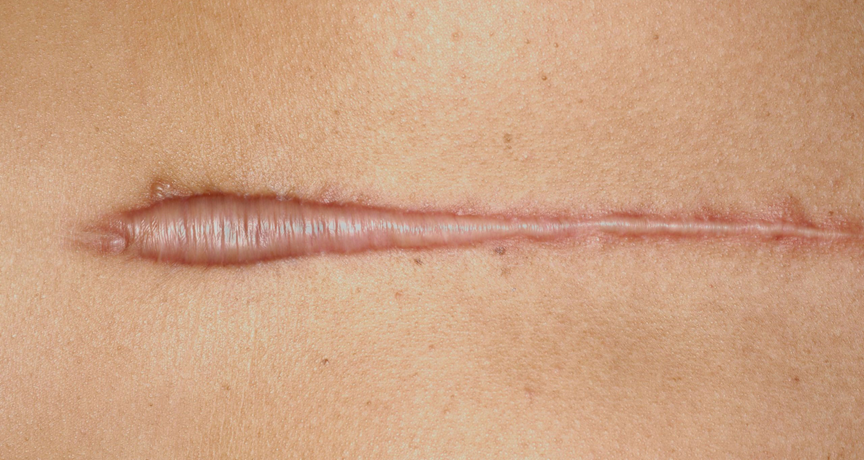
A keloid is a type of raised scar that grows beyond the original boundary of a skin injury. Unlike normal scars that slowly fade over time, keloids can continue to enlarge and thicken. Keloids often appear as firm, smooth, and shiny scars that are raised or lumpy, and their color can range from pink or red to dark brown or purple, depending on skin tone. They commonly develop on the chest, shoulders, upper back, earlobes (especially after piercings), jawline, and abdomen. Although keloids are non-cancerous, they can still cause discomfort, including itching, tenderness, pain, and a feeling of tightness in the affected area.
What Causes Keloids?
Keloids are the result of an overactive healing process. When the skin is injured, the body produces collagen to repair the area. In people prone to keloids, the body produces too much collagen, causing the scar to thicken and grow beyond the wound site. Common causes of keloid formation include skin injuries such as cuts, burns, or abrasions, as well as surgical wounds from incisions. Keloids often develop after piercings and tattoos, particularly on the earlobes, and can also result from inflammatory skin conditions such as acne or chickenpox, which may leave dark or raised scars. Even small injuries, including those from vaccination sites, can trigger keloid growth in individuals who are prone to developing them. Risk factors for developing keloids include having a family history of keloids, being within the younger age range of 10 to 30 years, and having darker skin tones, with a higher incidence among individuals with higher levels of melanin. Hormonal changes may also increase susceptibility. Because keloids can form even from small injuries, prevention can be challenging for those who are naturally prone to developing them.
How Laser Treatment Helps Reduce or Remove Keloids
Laser treatment is a popular, non-invasive option for improving the appearance of keloids. While it may not completely remove every keloid, it can significantly flatten, lighten, and soften scars without surgery. By targeting both the surface and deeper layers of the skin without cutting, laser therapy reduces the risk of further irritation or new scar formation. Laser works by breaking down excess scar tissue, reducing redness and pigmentation, stimulating healthy collagen production, improving skin texture, and minimizing inflammation. The Pulsed Dye Laser (PDL) is the most commonly used, though fractionated CO₂ lasers may be used for more stubborn keloids. Laser treatments are safe with minimal downtime, allowing most people to resume normal activities immediately. They can also be combined with steroid injections, silicone patches, pressure therapy, or cryotherapy for enhanced results.
The number of sessions needed varies, typically between three and six treatments spaced four to six weeks apart. Newer keloids often respond faster, while older or thicker scars may require additional or combined therapies. Laser treatment is ideal for those seeking a safer, minimally invasive alternative to surgery to reduce scar size, improve texture and color, and relieve symptoms like itching or pain. With consistent care, many patients experience significant and lasting improvement. If you struggle with keloids, consult with a dermatologist or a laser specialist for more information. Feel free to reach out to us at the Apolomed team anytime for further questions on keloids.
Featured Products
PicoVive
NanoVive
PulseVive
PrimaVive
DuoVive
Get the Brochure
Download our comprehensive brochure to explore our full range of products and services.
Request PDF