Active Acne vs. Acne Scars: How Laser Treatment Approaches Differ
Active Acne
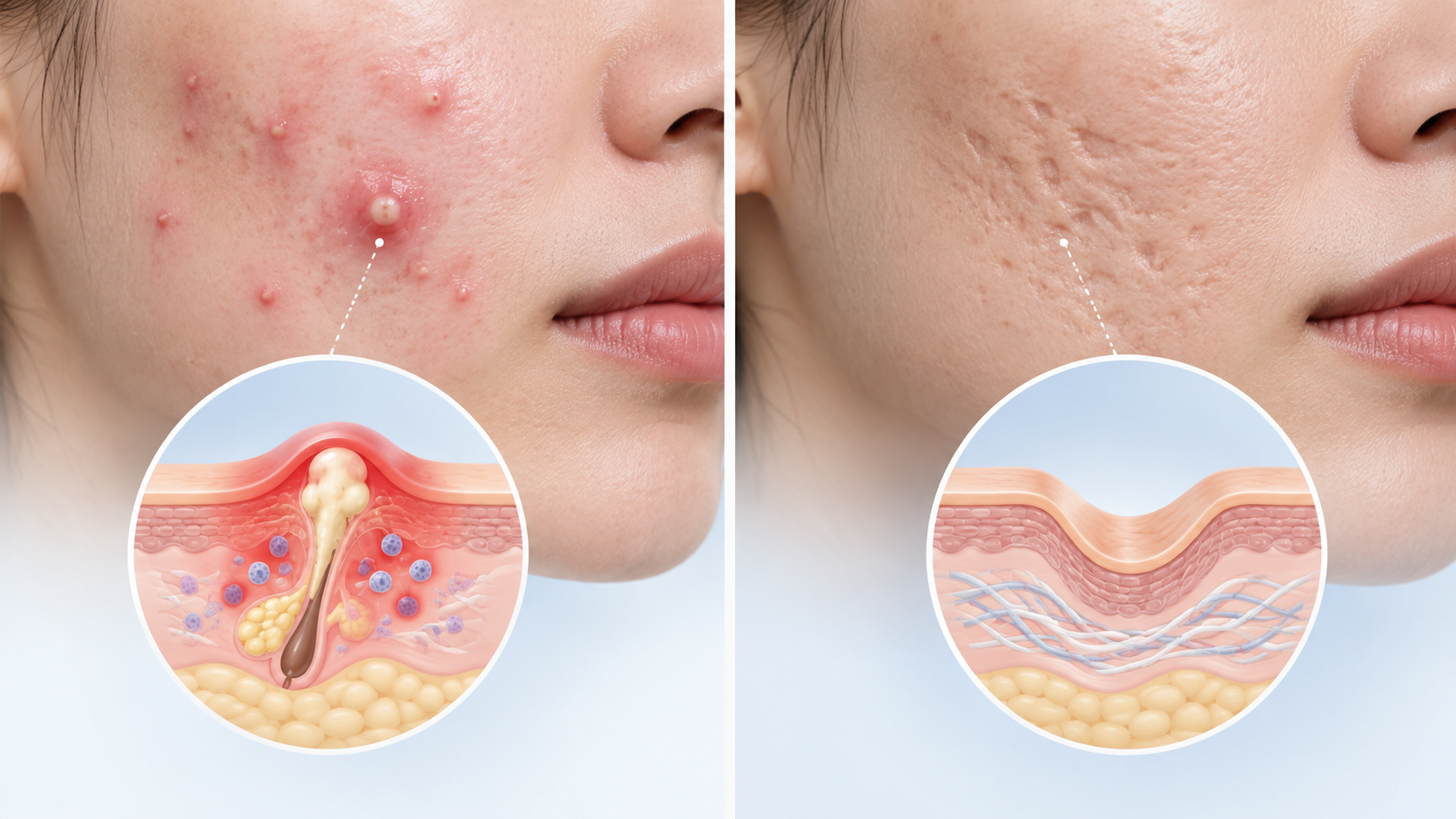
Active acne and acne scars are often discussed together, but they are two different skin concerns that may require different treatment strategies. Active acne refers to ongoing breakouts such as inflamed bumps, pustules, blackheads, whiteheads, or deeper cystic lesions. Acne scars, on the other hand, remain after inflammation has resolved and may appear as depressed scars, uneven texture, or areas of discoloration. Identifying which concern is present is an important first step in developing an appropriate treatment plan.
When treating active acne, the priority is generally to manage the ongoing inflammatory process rather than immediately focusing on resurfacing. Depending on the patient’s condition, practitioners may consider light- or laser-based technologies alongside established acne therapies to address factors such as inflammation, redness, or sebaceous activity. More severe or persistent acne should be evaluated by a qualified medical professional, since laser therapy is not automatically the first-line treatment for every type of active acne.
Acne Scars
Acne scars require a different approach because the active inflammation has already caused changes in skin texture or pigmentation. Fractional resurfacing technologies are commonly used in treatment plans intended to support collagen remodeling and improvement in uneven texture, while other laser technologies may be selected when residual pigmentation is a primary concern. Scar type also matters: shallow textural changes, deeper depressed scars, and post-inflammatory discoloration do not necessarily respond to the same treatment.
Patients may also have active acne and acne scarring at the same time, which makes individualized treatment planning especially important. In many cases, practitioners may prioritize controlling significant active breakouts before using more intensive resurfacing procedures for residual scarring. Treatment selection can depend on skin type, scar pattern, pigmentation, previous therapies, sensitivity, and the amount of recovery time the patient can reasonably accommodate.
There is therefore no single laser that is universally “best” for acne. Modern aesthetic practices have access to multiple wavelengths and technologies that can be selected according to the treatment objective. A professional skin assessment helps determine whether the immediate priority should be managing active acne, improving existing scars, addressing pigmentation, or creating a staged plan that considers several concerns over time. If you have any more questions regarding acne and related treatments the Apolomed team is always ready to help!
Featured Devices
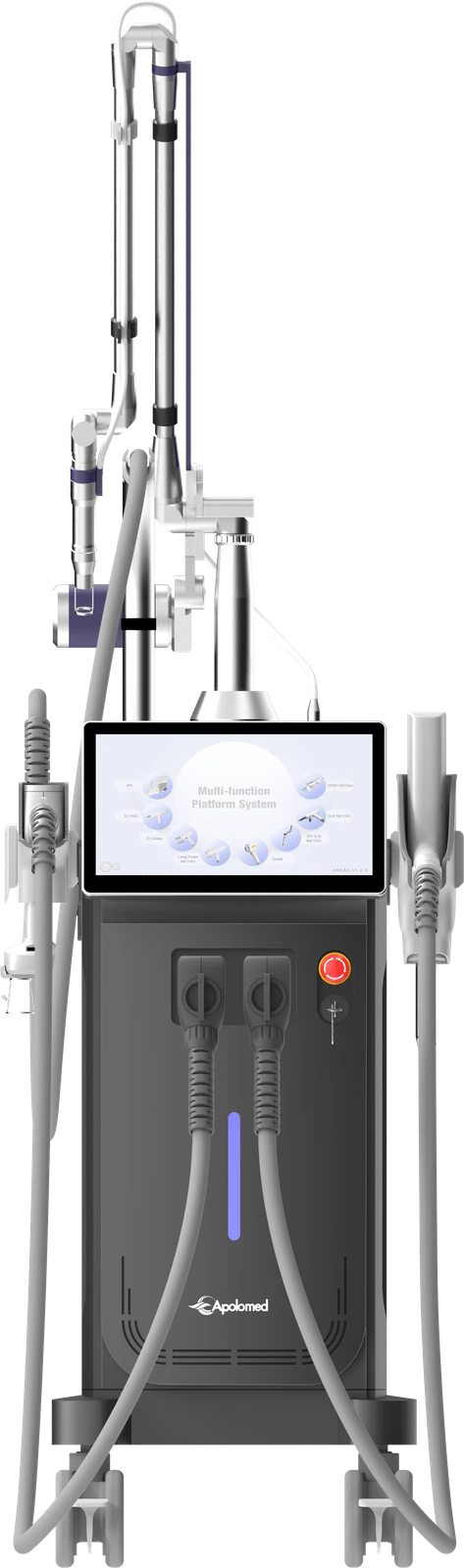
Apolo One
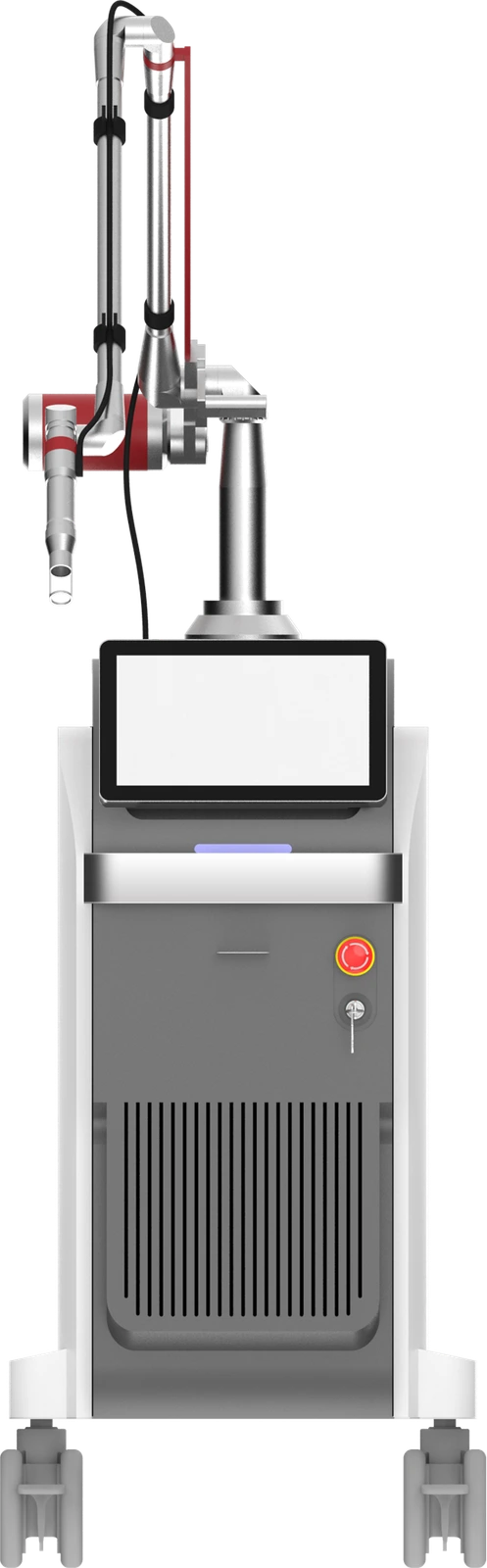
PicoFusion
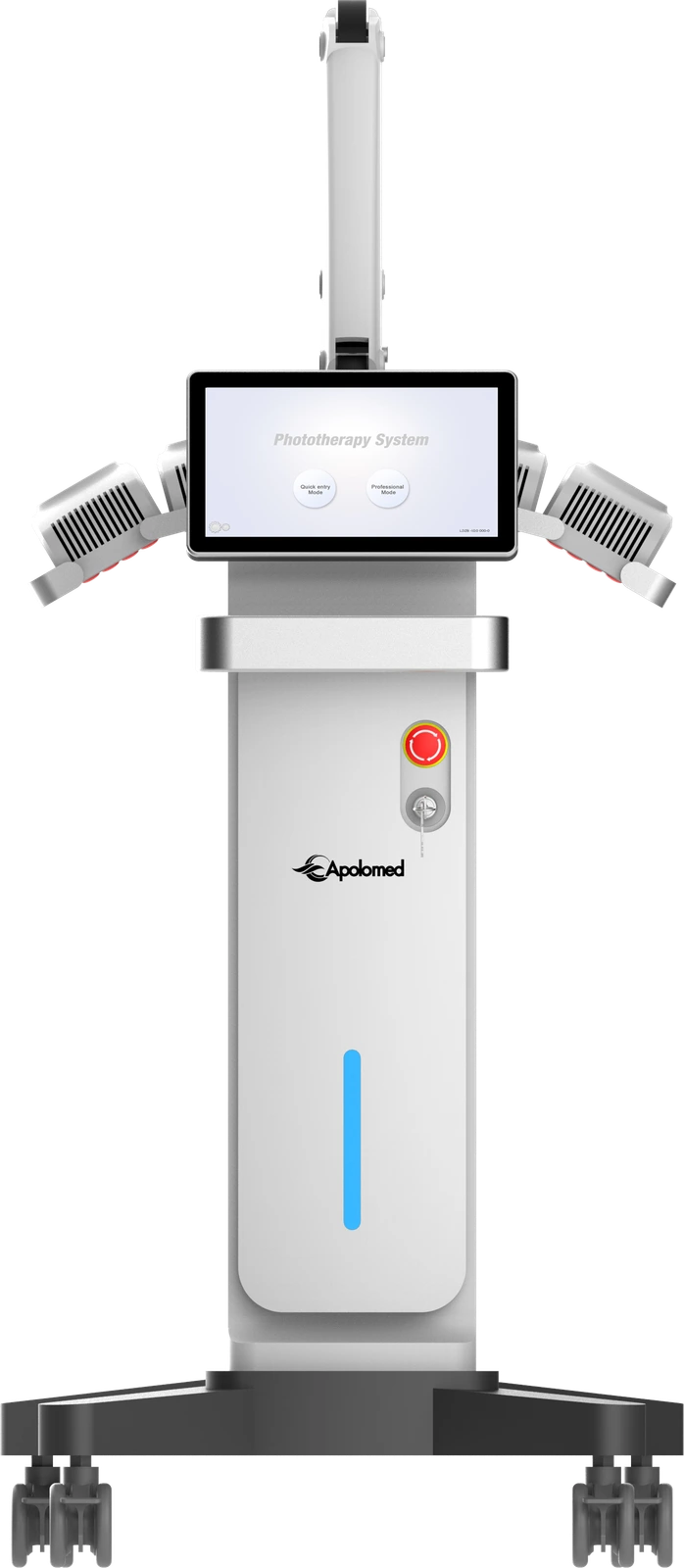
PhotoVive
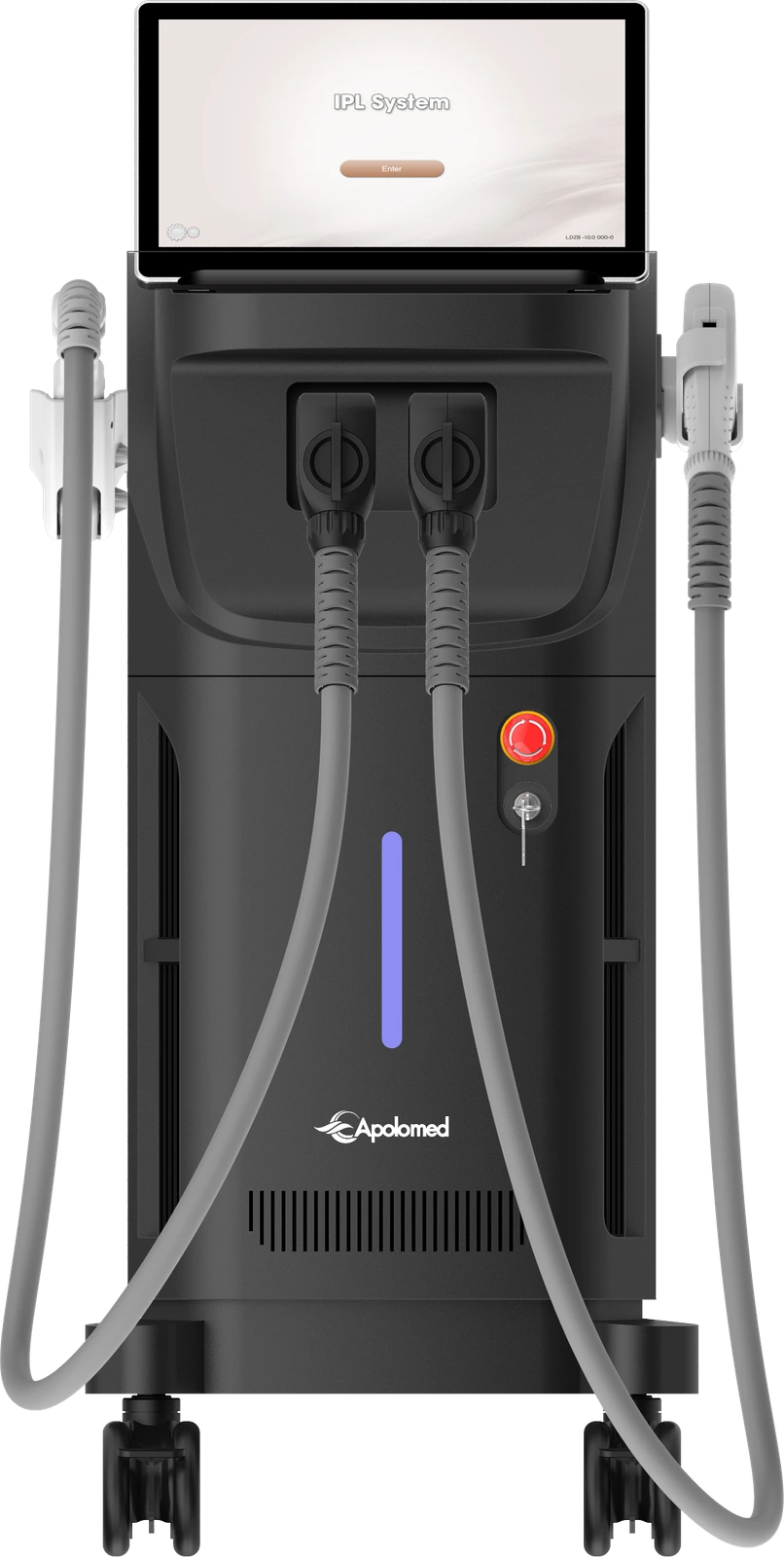
PulseVive
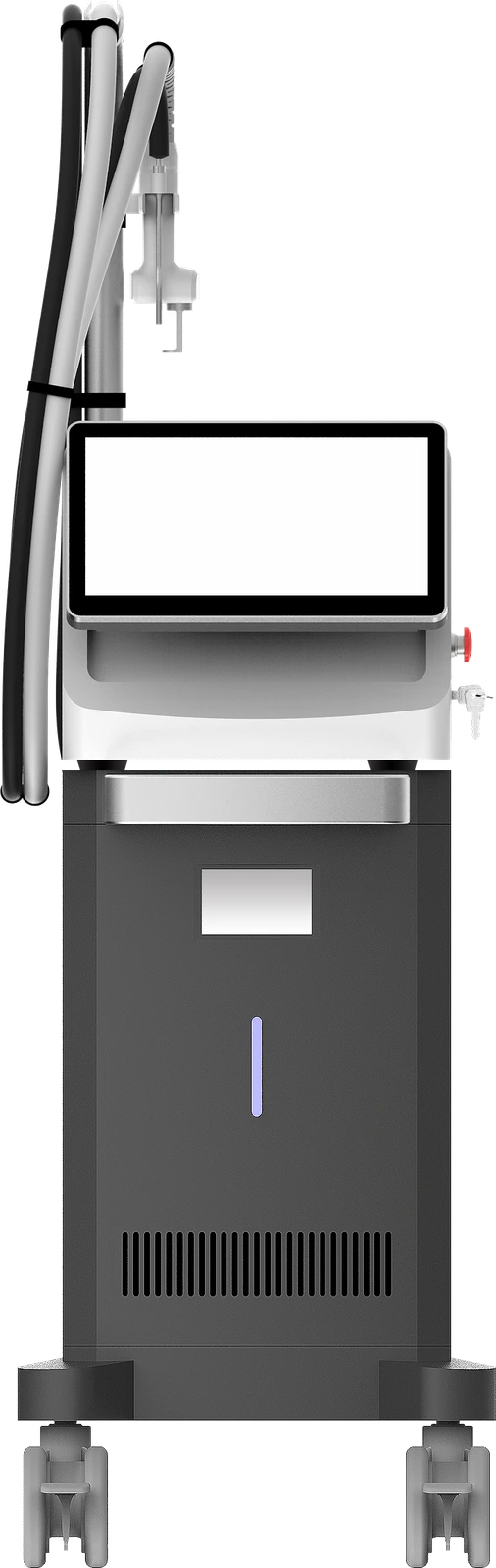
DuoVive
Request the Product Brochure
Enter your name and email, and we will send this product's brochure link.
Request Brochure