Ablative vs. Non-Ablative: Best Uses for Skin Rejuvenation
Laser treatments have become one of the most advanced and effective solutions for improving skin texture, reducing wrinkles, and addressing signs of aging. Among the most used technologies are ablative and non-ablative lasers—two categories that work differently but both offer impressive results. Knowing the differences between them helps patients choose the best option for their skin concerns, lifestyle, and desired outcomes. This guide explores how ablative and non-ablative lasers work, their effectiveness, recovery time, and risk profiles to help you make an informed decision.
What Are Ablative Lasers?
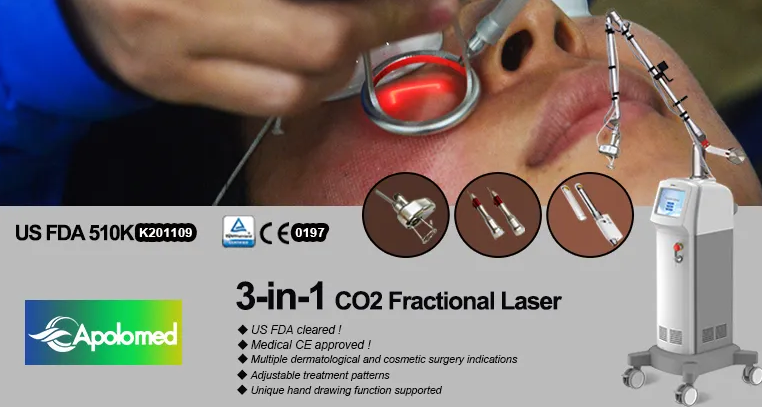
Ablative lasers work by removing the top layer of the skin (the epidermis) and heating the deeper dermis. This controlled removal stimulates powerful collagen regeneration and triggers the body’s natural healing response, resulting in smoother, tighter, and more rejuvenated skin. There are two common types of ablative lasers: CO2 and Erbium YAG Lasers. These lasers vaporize or resurface the outer skin layer, heat underlying tissues, and promote new collagen formation. These lasers are best for wrinkles, acne scars, severe sun damage, rough skin, and significant skin laxity.
What Are Non-Ablative Lasers?
Non-ablative lasers do not remove the top layer of the skin. Instead, they heat the deeper layers to stimulate collagen growth without damaging the surface. This makes them less aggressive but ideal for gradual improvement with minimal downtime. Common types of non-ablative lasers include Nd:YAG, Fraxel, and Diode lasers. These lasers help deliver heat under the skin while stimulating collagen growth. They’re best for fine lines, mild wrinkles, pigmentation, enlarged pores, and aging spots.
Key Differences Between Ablative and Non-Ablative Lasers
The key differences between ablative and non-ablative lasers lie in how deeply they treat the skin, the results they produce, and the downtime involved. Ablative lasers remove the surface layer of the skin while also treating deeper tissues, offering dramatic and long-lasting results after just one or two sessions, but requiring significant downtime of 5–14 days due to peeling, redness, and a more intense treatment experience that often needs numbing or sedation. Non-ablative lasers, on the other hand, work beneath the skin without damaging the surface, leading to gradual improvement over multiple sessions with minimal downtime, typically only mild redness lasting 1–3 days, and a more comfortable experience overall. While ablative lasers carry higher risks such as swelling, infection, and potential hyperpigmentation in darker skin tones, non-ablative lasers have a lower risk profile with only mild temporary side effects, making them a safer option for most skin types.
Ablative vs. Non-Ablative – Which Is More Effective?
Both ablative and non-ablative lasers are highly effective for skin rejuvenation, but each serves different needs. Ablative lasers are ideal for dramatic resurfacing and advanced aging, offering powerful results but requiring more recovery time. Non-ablative lasers are perfect for those seeking subtle improvements with minimal downtime, making them suitable for busy lifestyles and early signs of aging. Ultimately, the best choice depends on your skin goals and the guidance of a qualified skincare professional who can assess your skin type and recommend the safest, most effective treatment plan.
Featured Products
Apolo One
PulseVive Portable
PicoVive
NanoVive
PulseVive
Get the Brochure
Download our comprehensive brochure to explore our full range of products and services.
Request PDF