Let’s Talk About Tattoos
What are Tattoos?
Tattoos are created by depositing ink into the dermis, the second layer of the skin located beneath the outer epidermis. Unlike the epidermis, which constantly sheds and renews itself, the dermis is more stable, allowing the ink to remain in place permanently. Tattoo needles puncture the skin repeatedly to deliver pigment into the dermis, where it is surrounded by cells that trap the ink. Because the pigment resides in this deeper layer, tattoos are long-lasting, though they can fade over time due to sun exposure, aging, or immune system activity. Understanding that tattoos affect the dermis is also important for laser removal, as treatments must target this layer to break down the ink effectively without damaging surrounding skin.

How are Tattoos Removed?
Laser tattoo removal works by targeting the ink particles in the dermis with highly concentrated light energy. Different laser wavelengths are absorbed by different ink colors, causing the pigment to break into tiny fragments without significantly damaging the surrounding skin. Once broken down, the body’s immune system gradually removes the ink particles over a series of treatments. The number of sessions required depends on factors such as tattoo size, color, depth, and age. Modern lasers, like Q-switched or picosecond lasers, deliver energy in ultra-short pulses, which maximizes ink fragmentation while minimizing discomfort and reducing the risk of scarring.
|
Wavelength (nm) |
Laser Type / Example |
Primary Chromophore |
Penetration Depth |
Primary Indications |
Clinical Notes |
|
532 |
Q-switched / Pico Nd:YAG |
Melanin (Epidermal) |
Superficial (0.2–0.5 mm) |
Freckles, lentigines, epidermal melasma, red/orange tattoo ink |
High melanin absorption — use caution in dark skin types |
|
755 |
Alexandrite QS/Pico |
Melanin |
Mid to deep (1–2 mm) |
Green/blue tattoo ink, dermal pigmentation |
Moderate melanin absorption, better tolerance than ruby |
|
1064 |
Q-switched / Picosecond Nd:YAG |
Melanin (deep) |
Deep (2–5 mm) |
Hori’s nevus, Ota’s nevus, melasma, black ink |
Safest for darker skin, minimal epidermal absorption |
Featured Devices
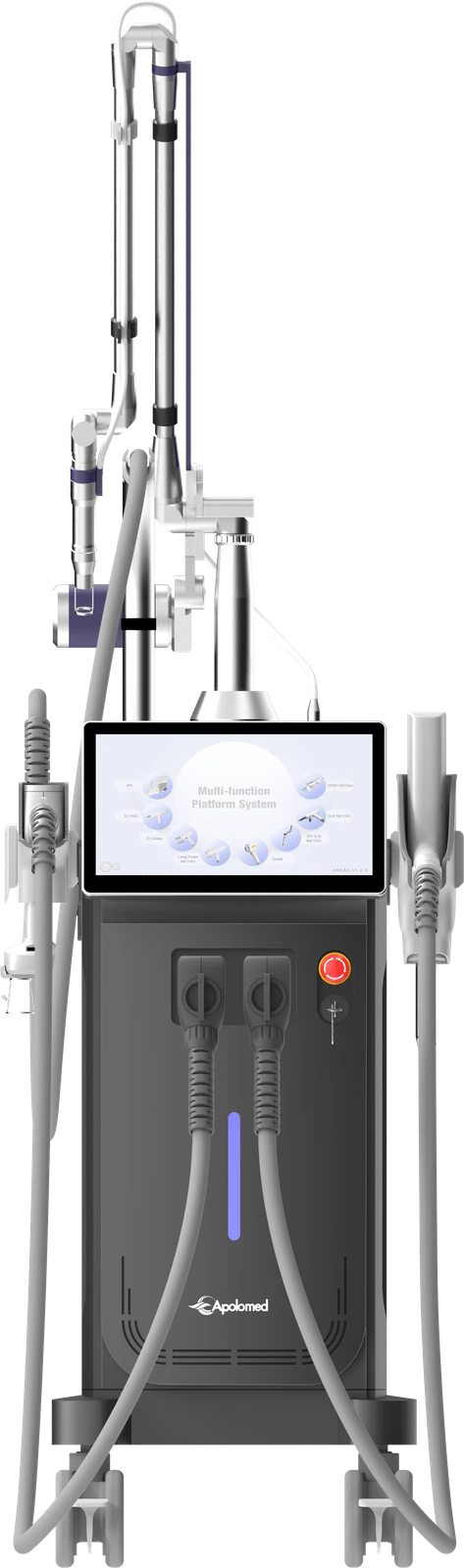
Apolo One
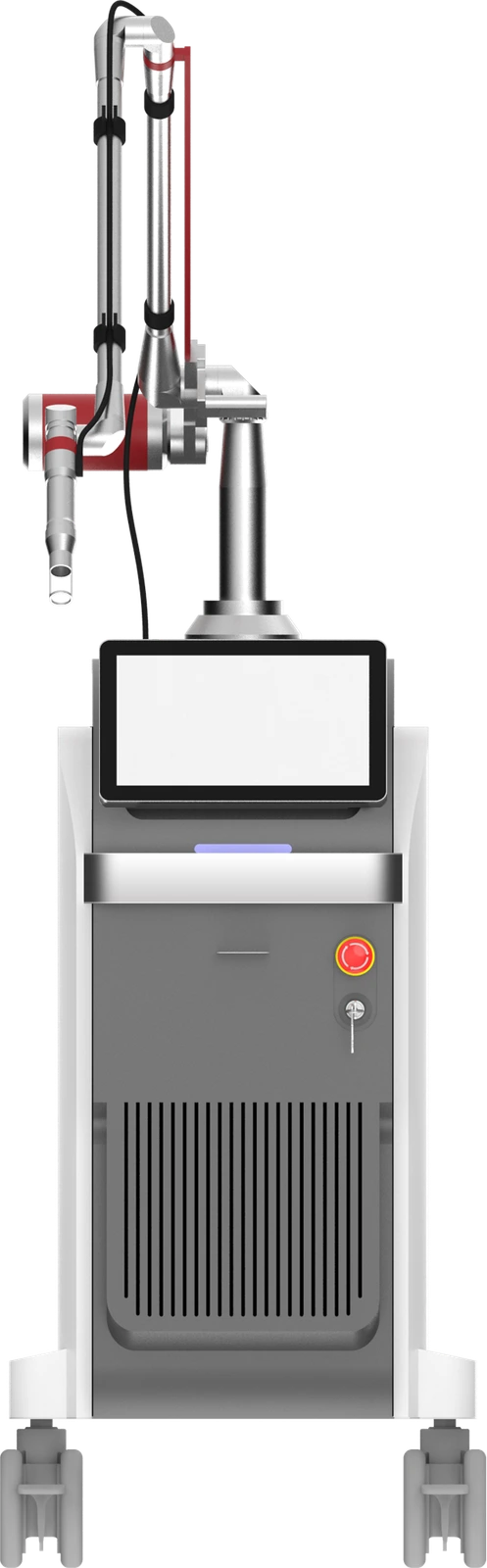
PicoFusion
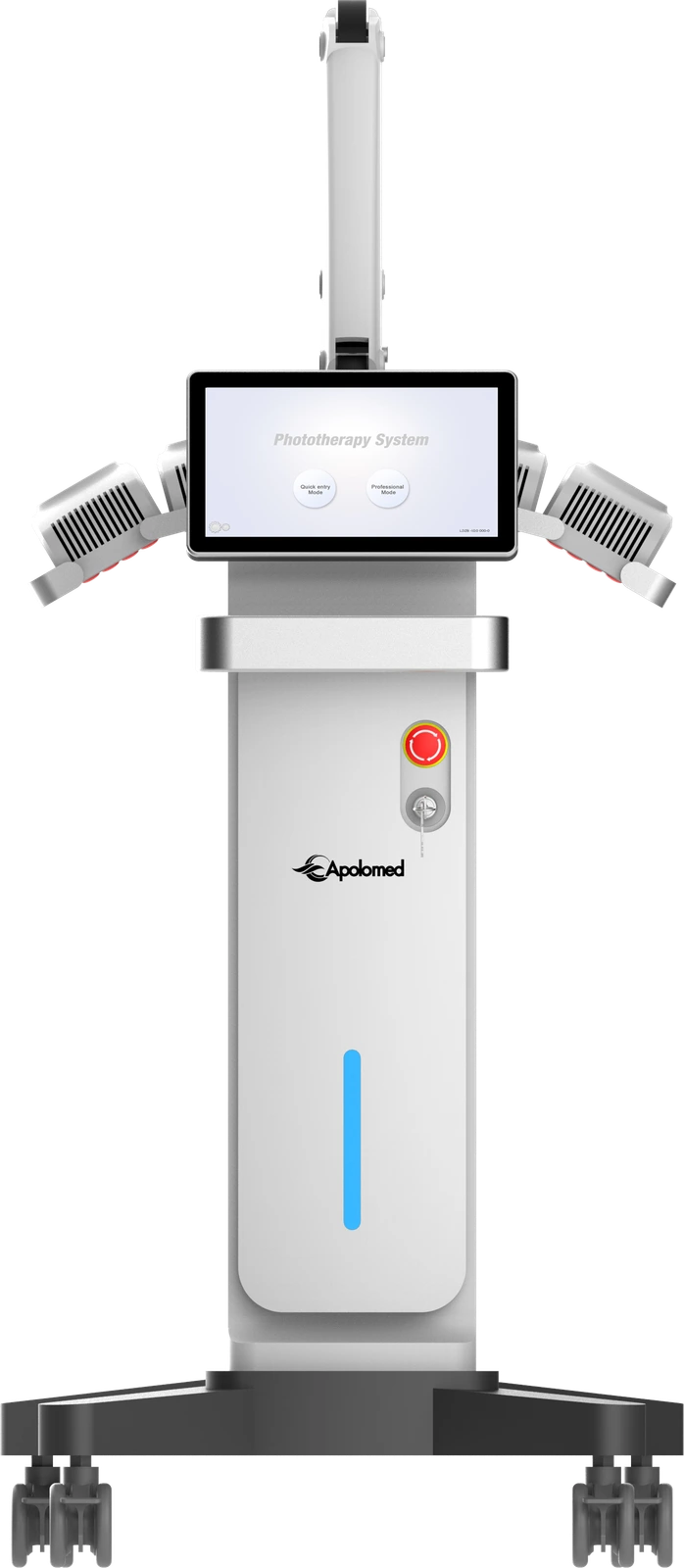
PhotoVive
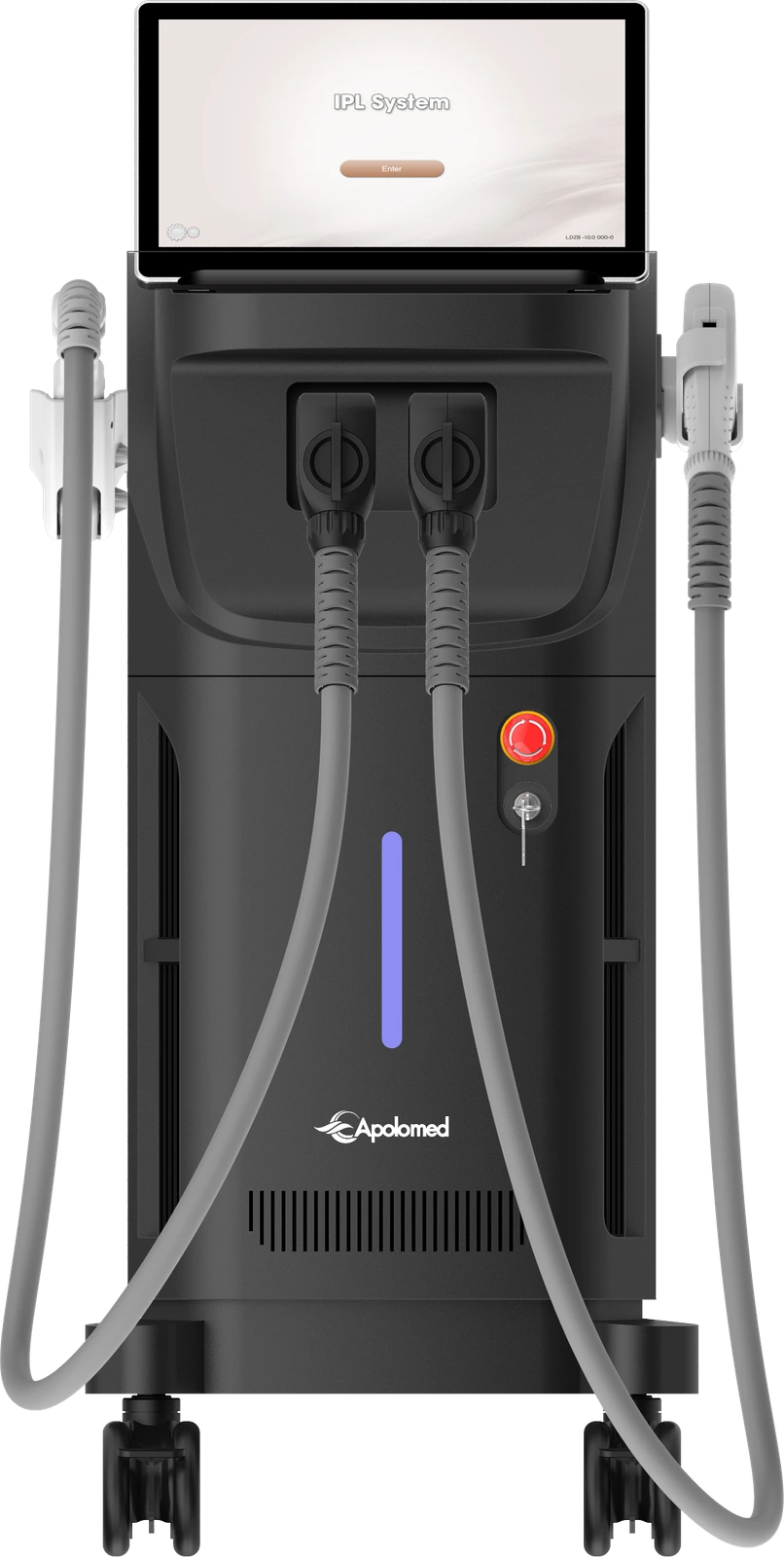
PulseVive
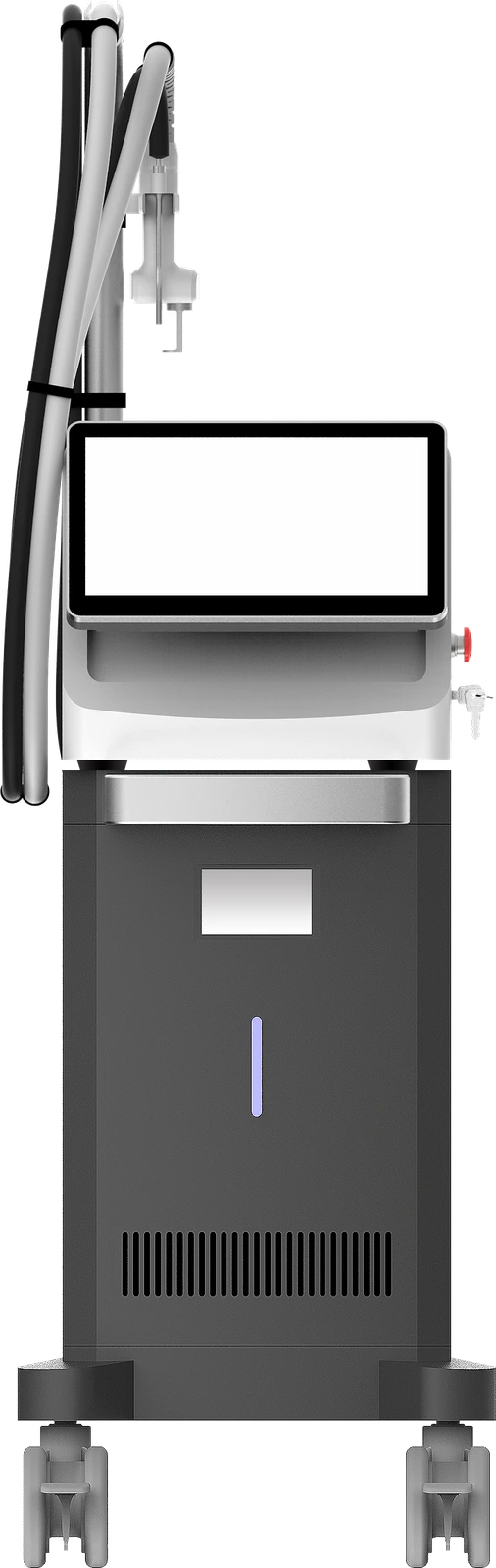
DuoVive
Request the Product Brochure
Enter your name and email, and we will send this product's brochure link.
Request Brochure