What is Melasma?
Understanding Melasma
Melasma is one of the most common pigmentary concerns affecting both men and women, though it can be more prevalent among women with medium to darker skin types. It’s known for its blotchy brown or grey skin patches on the face, specifically around the cheeks, forehead, upper lip, and jawline. Unlike sun spots and freckles, melasma can be influenced by multiple factors, including internal ones – this makes them stubborn to remove and prone to recurrence.

What Causes Melasma?
Melasma develops when melanocytes—your skin’s pigment-producing cells—become overactive. This can be triggered by:
-
Sun exposure (the number one cause)
-
Hormonal changes, including pregnancy, birth control, or hormone therapy
-
Genetics
-
Heat exposure
-
Certain topical products or skin irritation
-
Blue light from screens (in some cases)
Because triggers vary and pigment can sit both superficially and deep within the skin, melasma often requires a long-term management plan rather than a one-time solution. Traditional lasers or heat-based devices can sometimes worsen melasma by increasing inflammation or thermal injury. Many patients notice temporary improvement – only for the pigment to return weeks later.
How Picosecond Can Help Treat Melasma
Picosecond lasers represent one of the most advanced and effective tools for treating pigmentation concerns, including melasma. Unlike older nanosecond lasers that rely heavily on heat, picosecond systems deliver ultra-short bursts of energy—measured in trillionths of a second—to break up pigment safely and efficiently.
Ultra-Short Pulses Reduce Heat Damage
Picosecond pulses shatter excess pigment into tiny particles while minimizing heat. Less heat equals lower risk of inflammation and rebound hyperpigmentation, making it safer for melasma-prone skin.
Effective for a Range of Skin Types
Because picosecond technology is gentler and more precise, it can be used safely on a wider variety of skin tones, including Fitzpatrick IV–VI.
Stimulates Skin Remodeling
Beyond targeting pigment, picosecond lasers promote collagen and elastin production through a photoacoustic effect. This helps soften textural irregularities and improve overall skin quality.
Minimal Downtime
Most patients experience mild redness or darkening of pigment right after treatment, but downtime is typically minimal, and normal activities can usually be resumed the same day.
While no single treatment can cure melasma, picosecond laser technology offers one of the safest and most effective pathways to clearer skin. Many patients see a gradual fading of dark patches, improved skin tone, and reduced recurrence. If you want to learn more about the PicoVive and other treatments the device can offer, visit the product page. Our team is always ready to assist on the ‘Contact Us’ page for any further questions.
Featured Devices
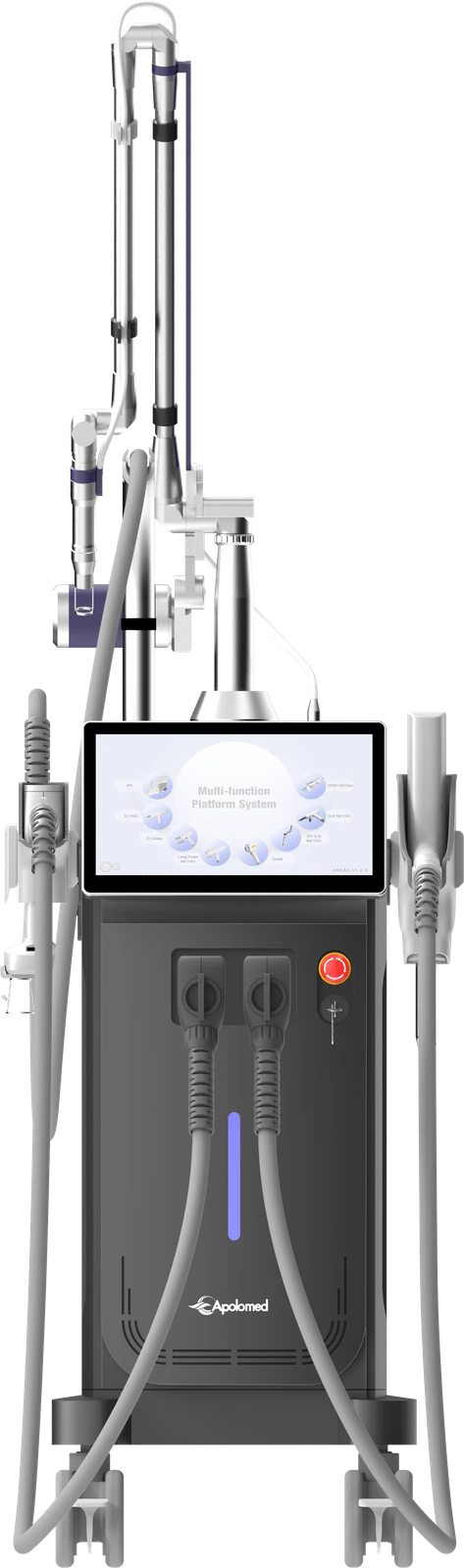
Apolo One
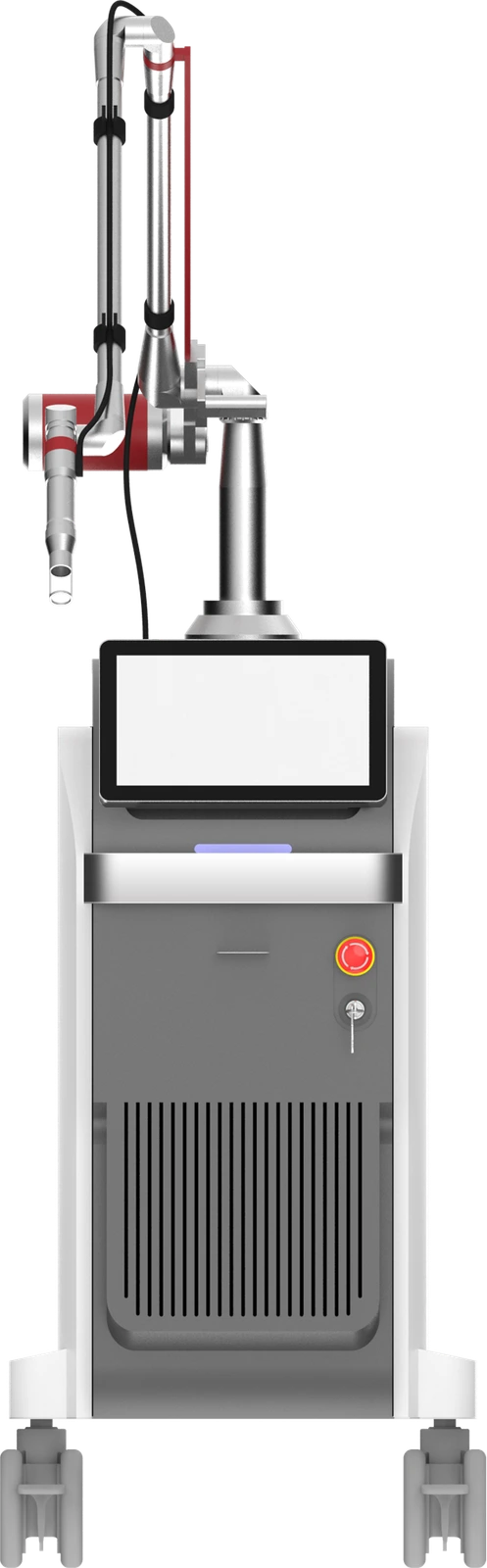
PicoFusion
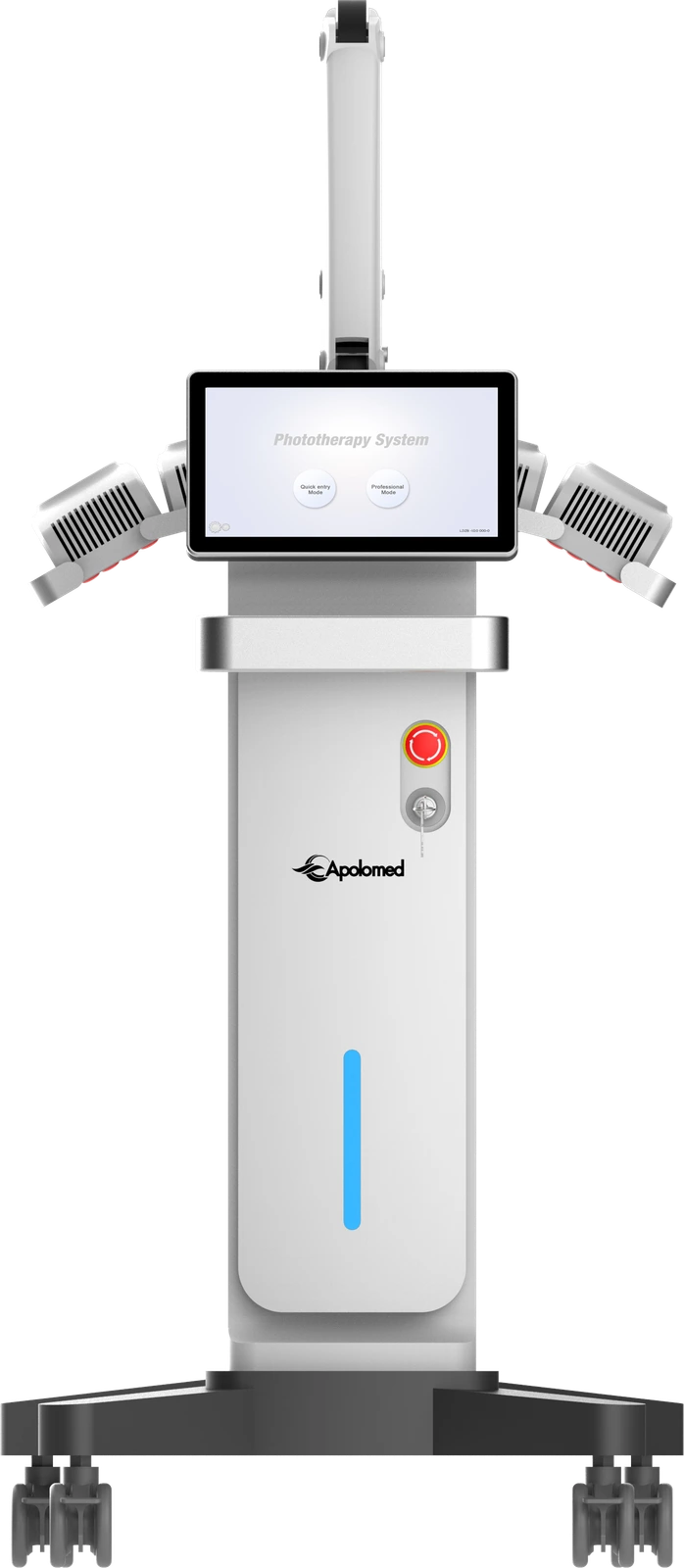
PhotoVive
PulseVive
DuoVive
Request the Product Brochure
Enter your name and email, and we will send this product's brochure link.
Request Brochure