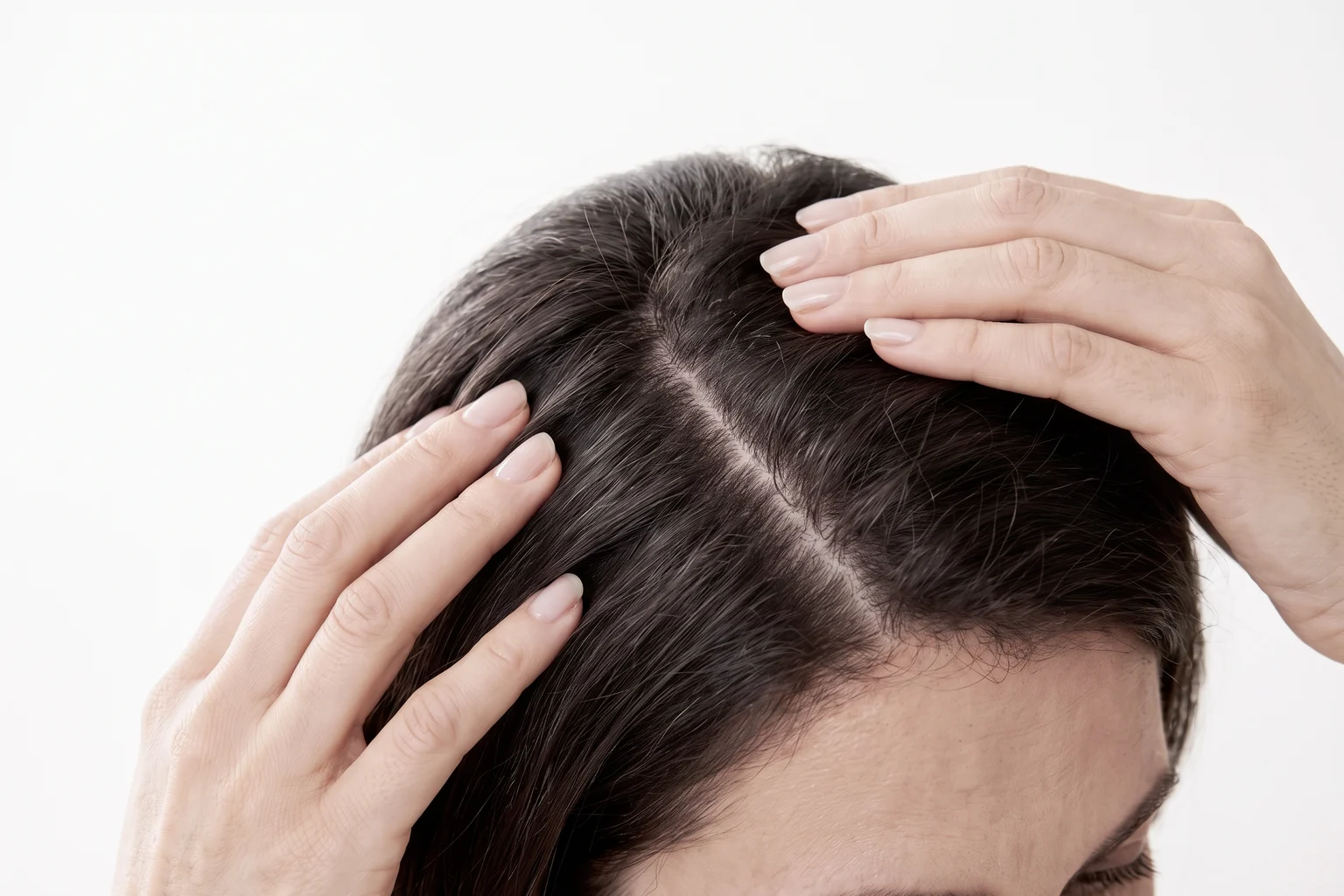
Hair & Scalp Support
Start With Your Scalp. Plan With Confidence.
Explore 1550 nm fractional laser research and light-based options for professionally supervised hair and scalp care.
Understanding Hair & Scalp Support
Hair and scalp concerns deserve an individual assessment. This category introduces a conversation about light-based options within a professionally supervised plan. Start by understanding your concern and identifying an appropriate provider.
1550 nm: How It May Support Hair Growth
Non-ablative fractional 1550 nm lasers create microscopic zones of controlled heating in the scalp. The resulting repair response is proposed to influence the environment around existing hair follicles and support their growth phase. Small studies in pattern hair loss have reported improvements in hair density and shaft thickness. The precise biological mechanism and long-term durability remain under investigation.
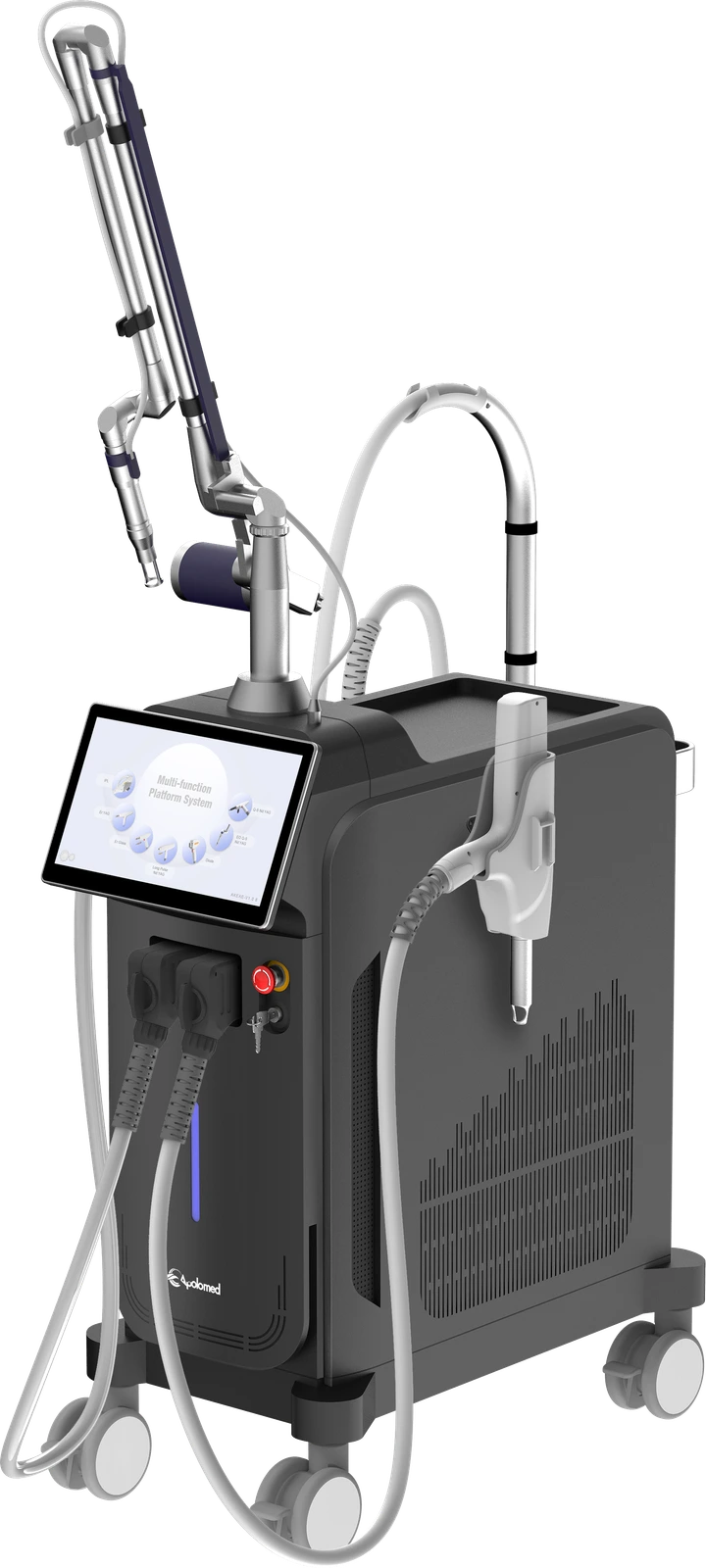
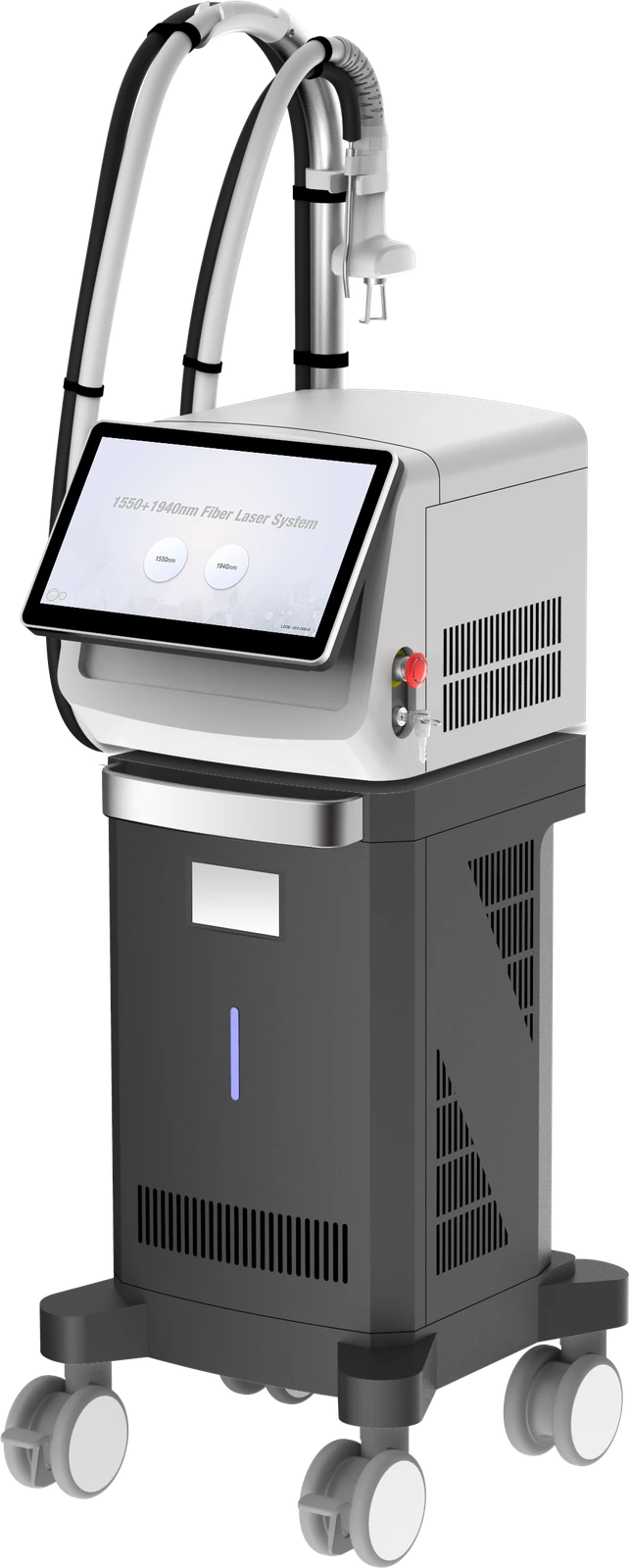
DuoVive and Apolo One: 1550 nm Options
DuoVive and the compatible 1550 nm configuration of Apolo One are platforms to discuss when evaluating fractional laser approaches to scalp care. A shared wavelength alone does not make devices or treatment protocols equivalent. The cited studies concern 1550 nm erbium-glass systems, not clinical trials establishing hair-regrowth outcomes for these specific Apolomed models. Confirm the handpiece, labeling and proposed use with your clinician.
What the Research Shows
A small 2018 study reported increased hair density and shaft diameter after fractional 1550 nm treatment. A separate 2019 randomized split-scalp trial found better outcomes with laser plus topical minoxidil than with minoxidil alone. These findings are promising, but do not establish guaranteed regrowth or a replacement for established hair-loss care.
LED Scalp-Care Discussions
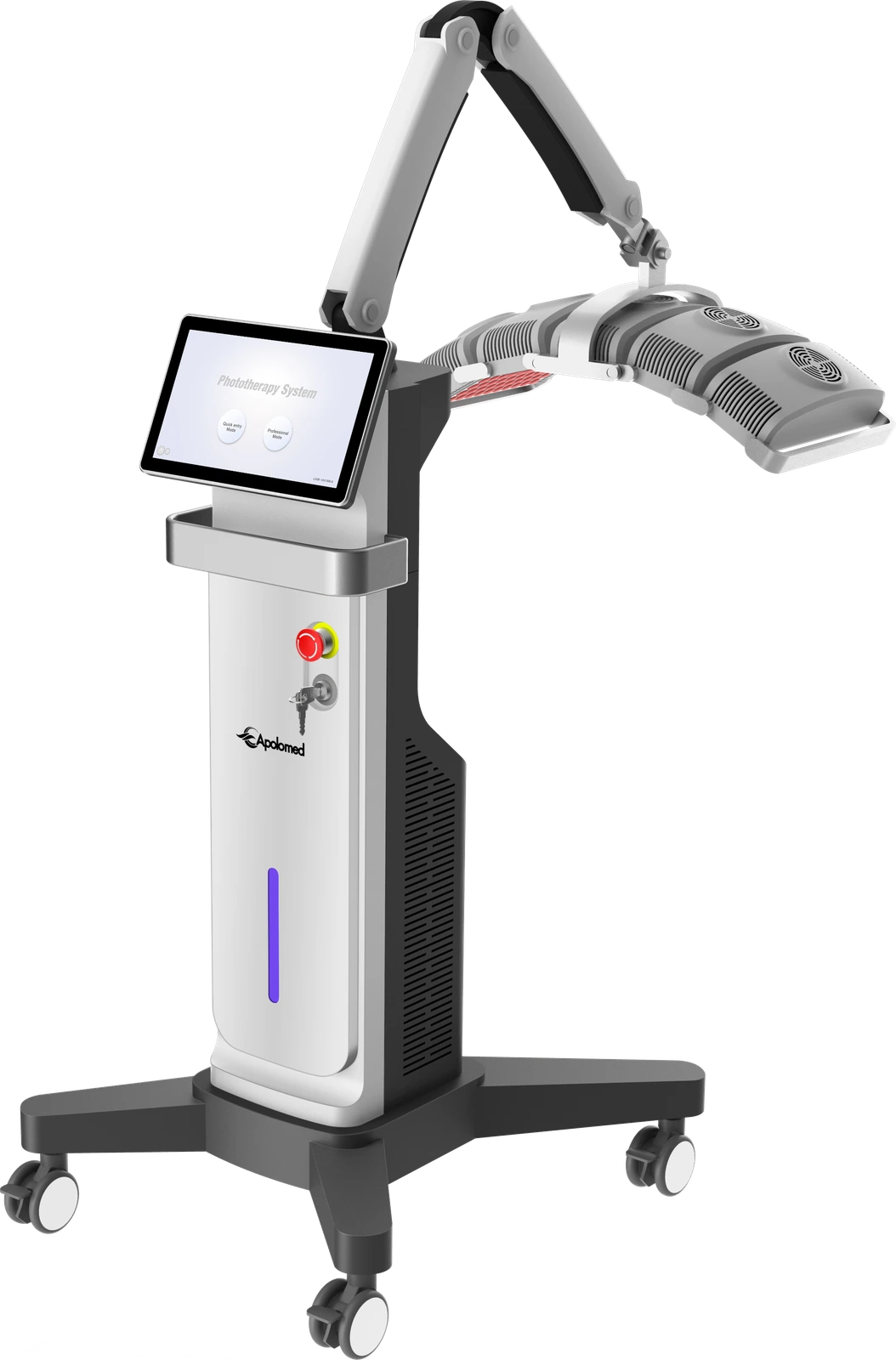
PhotoVive remains an LED phototherapy option in the selector. LED phototherapy and 1550 nm fractional lasers work differently; evidence for one cannot be applied to the other. Confirm documentation for the exact device and proposed use.
What Patients Can Expect
Discuss when the change began, the areas involved, your current routine, and any treatments already tried. The provider can explain whether further assessment is needed and whether a device-based option is appropriate. Agree on how progress will be recorded before starting.
Building a Follow-Up Plan
Ask about the proposed schedule, when progress will be reviewed, and what would prompt a change in approach. Keep your provider informed about other scalp products or treatments you use. A personal follow-up plan is more useful than a fixed session count for everyone.
Research references
Related Devices
Apolo One
PhotoVive
DuoVive
Frequently Asked Questions
Is this the same as laser hair removal?
No. Fractional 1550 nm scalp research explores a controlled thermal repair response around existing follicles. Hair-removal treatments aim to damage follicles. The correct device, settings and diagnosis are essential; these approaches are not interchangeable.
Does this page promise hair regrowth?
No. Request evidence and labeling for the exact device, configuration, and proposed use before beginning treatment.
Does K190938 include hair regrowth?
Hair regrowth is not listed in the reviewed HS-770 indications. PhotoVive appears here as a selector discussion option; confirm any separate documentation with Apolomed.
Can I combine it with my current routine?
Discuss medications, scalp products, and other treatments with your provider before adding a session. Do not stop prescribed care based on this page.
Explore device documentation or read the HS-770 indications for use.
Ready to Compare Devices?
Tell us which treatments or devices you are evaluating, and a specialist can help you compare options.