Fractional Laser Resurfacing: Benefits, Recovery & How It Works
Fractional Laser Resurfacing: How It Works and What to Expect
Fractional laser resurfacing is a modern skin-renewal treatment that uses controlled laser energy to create microscopic treatment zones in the skin. Instead of treating the entire surface at once, fractional technology targets small sections while leaving surrounding tissue intact. This approach supports the skin’s natural repair process and allows practitioners to tailor treatment depth and intensity to the patient’s goals.
Fractional laser treatments are commonly used to address concerns such as uneven texture, fine lines, acne scarring, pigmentation, sun-related skin changes, and enlarged pores. Different wavelengths can interact with the skin at different depths, which is why treatment planning matters. The appropriate technology, settings, and treatment area should be selected by a qualified practitioner based on the individual patient and the condition being treated.
One of the reasons fractional resurfacing is widely used in aesthetic medicine is its ability to support collagen remodeling while preserving untreated areas of skin between treatment zones. As the skin heals, patients may gradually notice improvements in texture, tone, and overall skin quality. Results and recovery vary depending on factors such as wavelength, treatment depth, energy settings, skin type, and individual healing response.
After treatment, temporary redness, warmth, sensitivity, or mild swelling may occur. Recovery time can vary significantly between devices and treatment settings, so there is no single downtime period that applies to every fractional laser procedure. Patients should follow the aftercare instructions provided by their treating professional and discuss expected recovery before treatment.
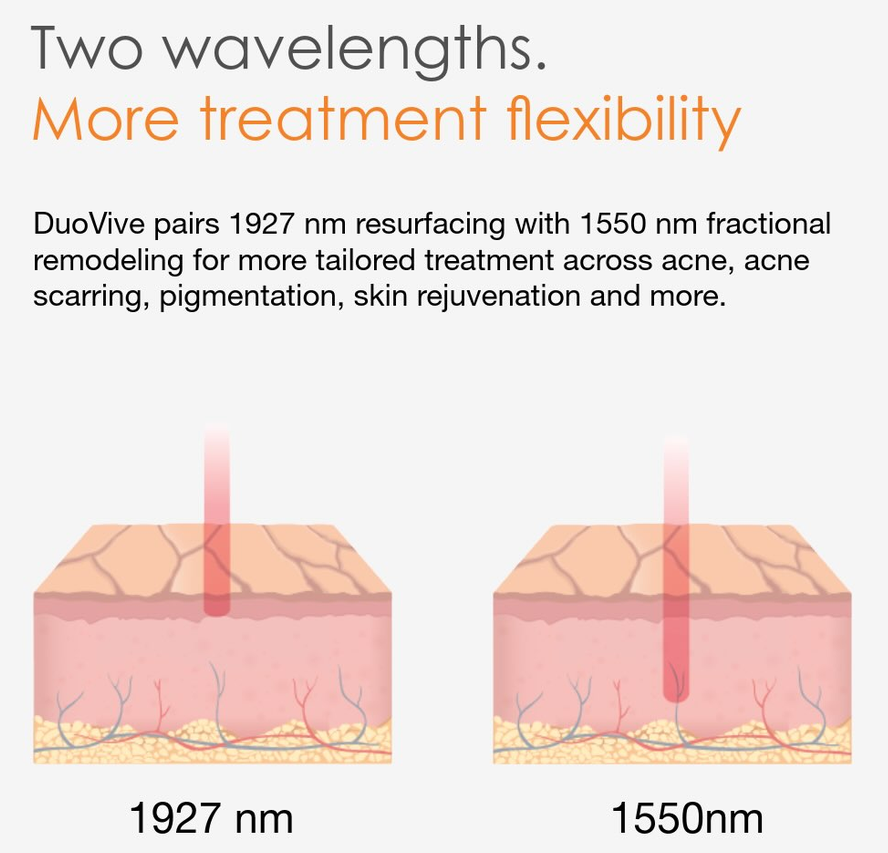
Modern platforms such as DuoVive combine 1550 nm and 1927 nm fractional wavelengths, giving practitioners access to different treatment depths within one system. This type of dual-wavelength approach can support more tailored treatment planning, with wavelength selection guided by the treatment objective and the practitioner’s clinical judgment. If you want to learn more about this device, contact our Apolomed team!
Featured Devices
Apolo One
PicoFusion
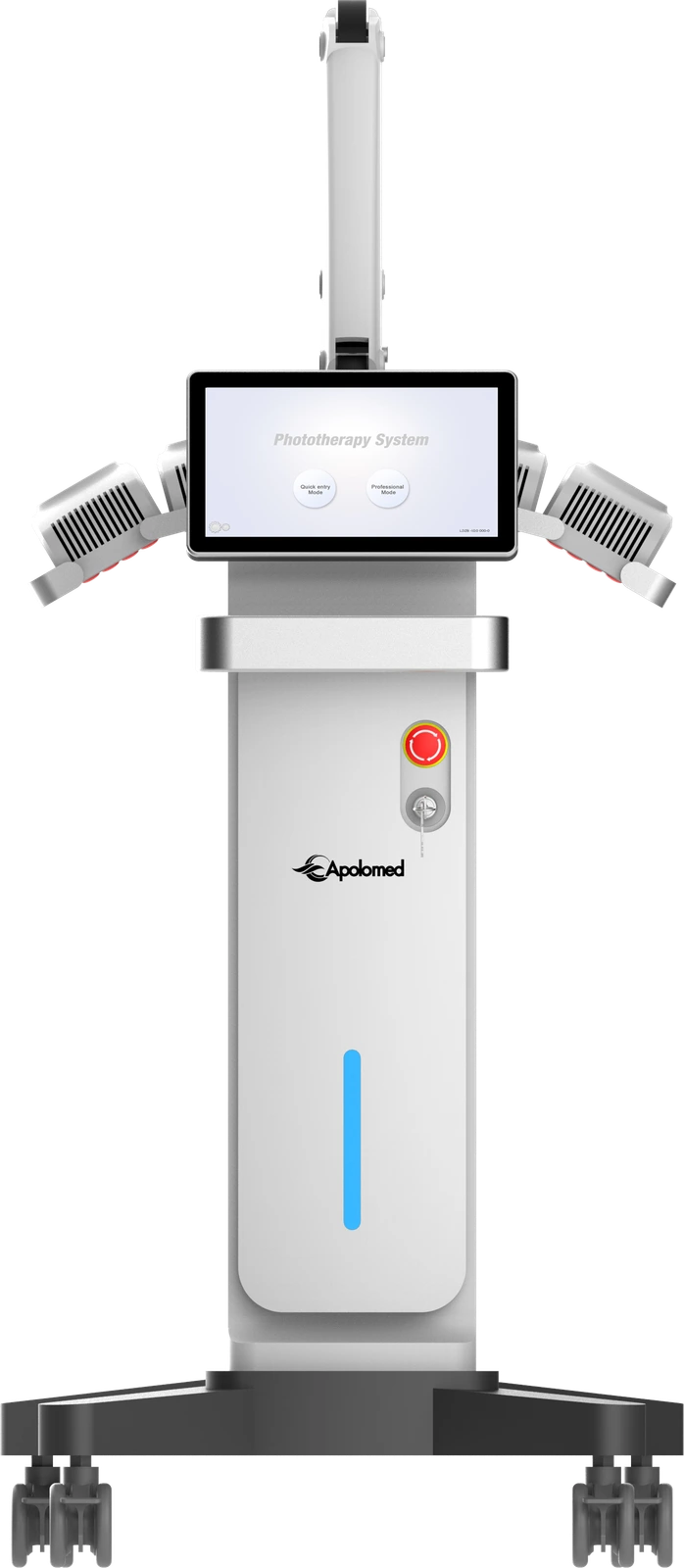
PhotoVive
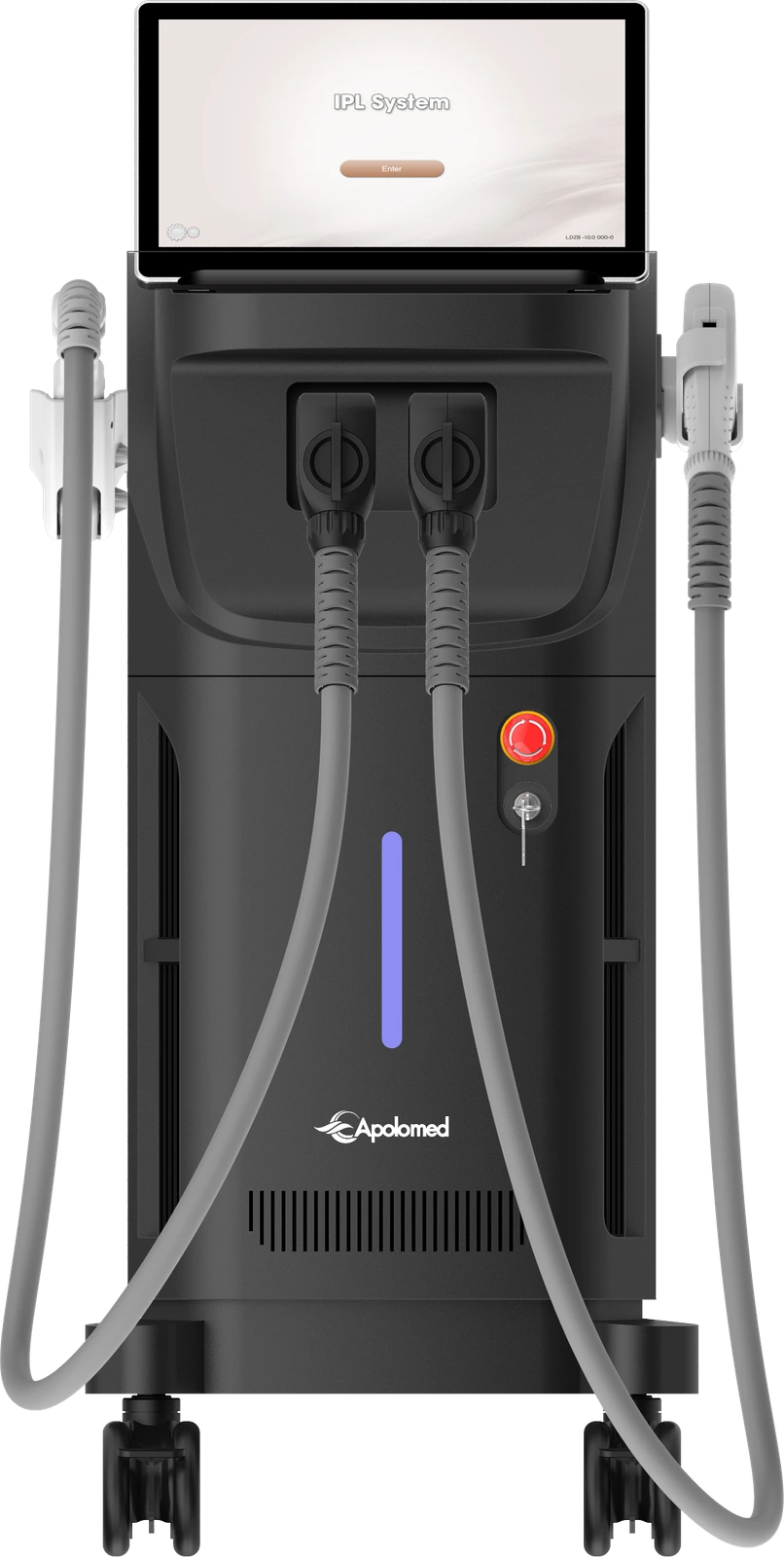
PulseVive
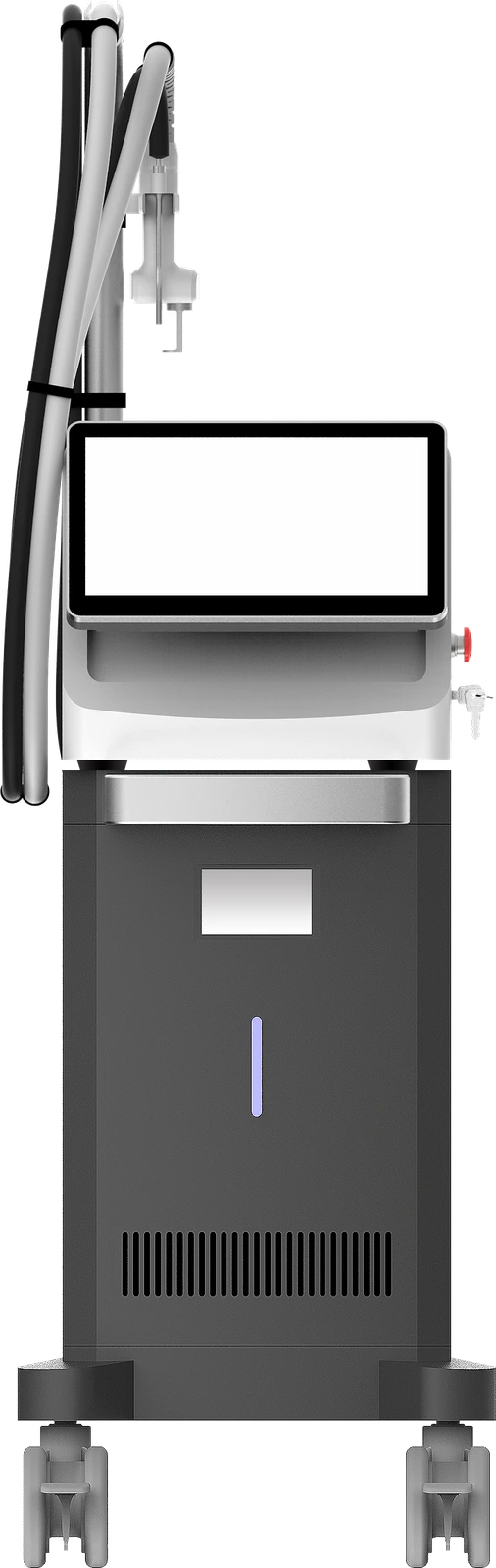
DuoVive
Request the Product Brochure
Enter your name and email, and we will send this product's brochure link.
Request Brochure