What Does LIOB Mean and Why is it Important?
Why is LIOB Important?
LIOB is important in aesthetic lasers because it allows practitioners to create controlled micro-injuries beneath the skin while keeping the outer layer intact. This stimulates natural collagen remodeling, skin tightening, and rejuvenation with minimal downtime. By working at a microscopic, highly targeted level, LIOB enables powerful results with exceptional safety, making it a cornerstone technology in modern non-invasive skin treatments.
What’s the Difference Between MLA and DOE?
MLA (Micro-Lens Array) divides the laser beam into multiple micro-spots, each delivering high-intensity energy to precise dermal points simultaneously. This allows fractional treatments that stimulate collagen and rejuvenation while leaving surrounding tissue intact. DOE (Diffractive Optical Element) instead shapes and distributes the laser energy through diffraction, offering highly controlled patterns that can target deeper or more complex tissue structures, ideal for pigment, tattoo, or advanced rejuvenation treatments. Both technologies enhance safety, precision, and treatment efficacy, with MLA excelling at uniform high-intensity micro-point delivery and DOE offering more customizable energy control.
MLA (Micro-Lens Array) and DOE (Diffractive Optical Element) both create grid-like patterns of laser spots, but in different ways. MLA uses a physical array of tiny lenses to split the laser into uniform high-intensity micro-spots, delivering energy to precise dermal points for consistent fractional treatments. DOE, on the other hand, shapes the laser through diffraction, allowing more control over spot size, spacing, and energy distribution. This makes DOE highly versatile, ideal for targeting deeper tissue or achieving customized treatment patterns, while MLA provides reliable, uniform coverage for collagen stimulation and skin rejuvenation.
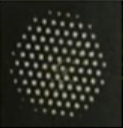 MLA (Micro-Lens Array)
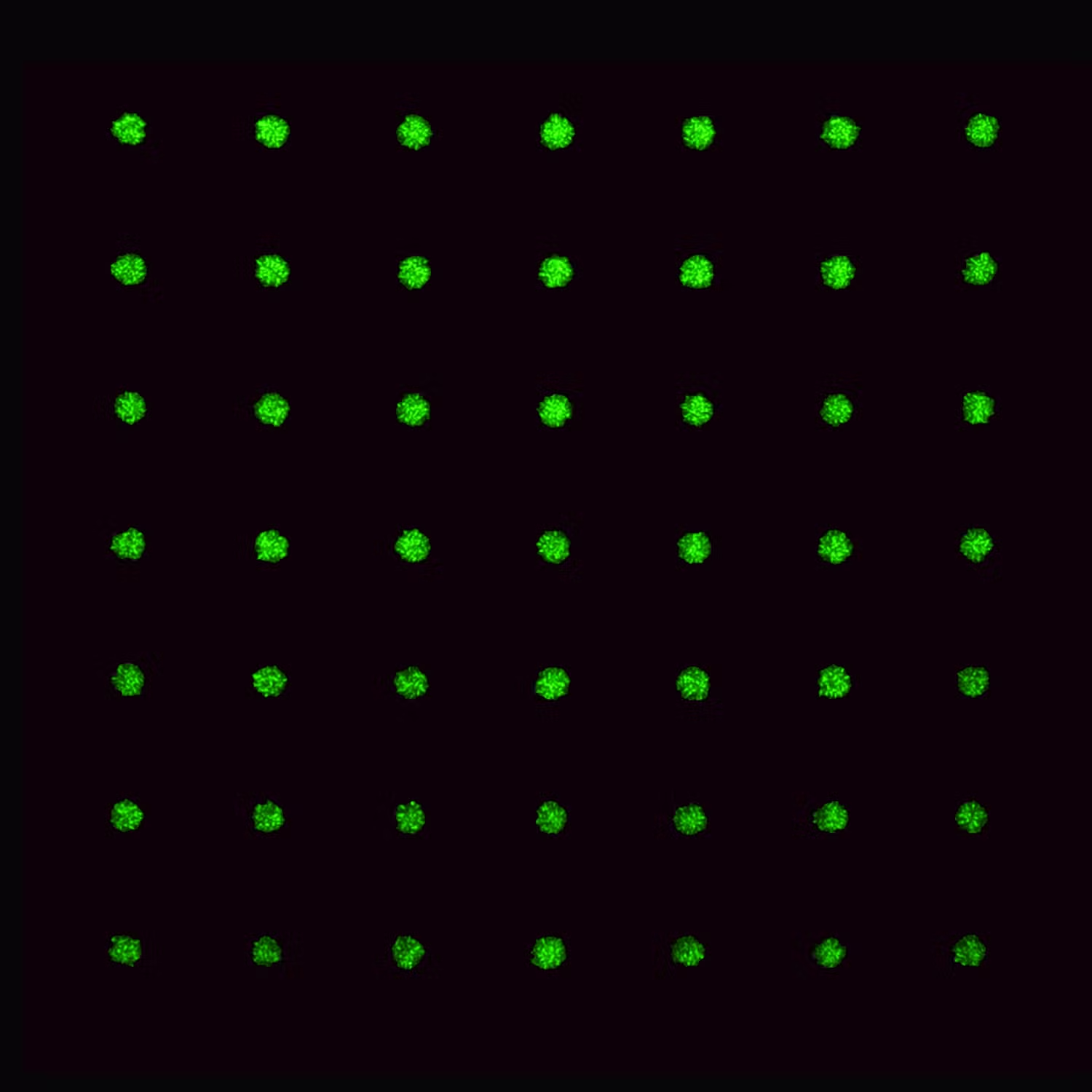 DOE (Diffractive Optical Element)
Featured Devices
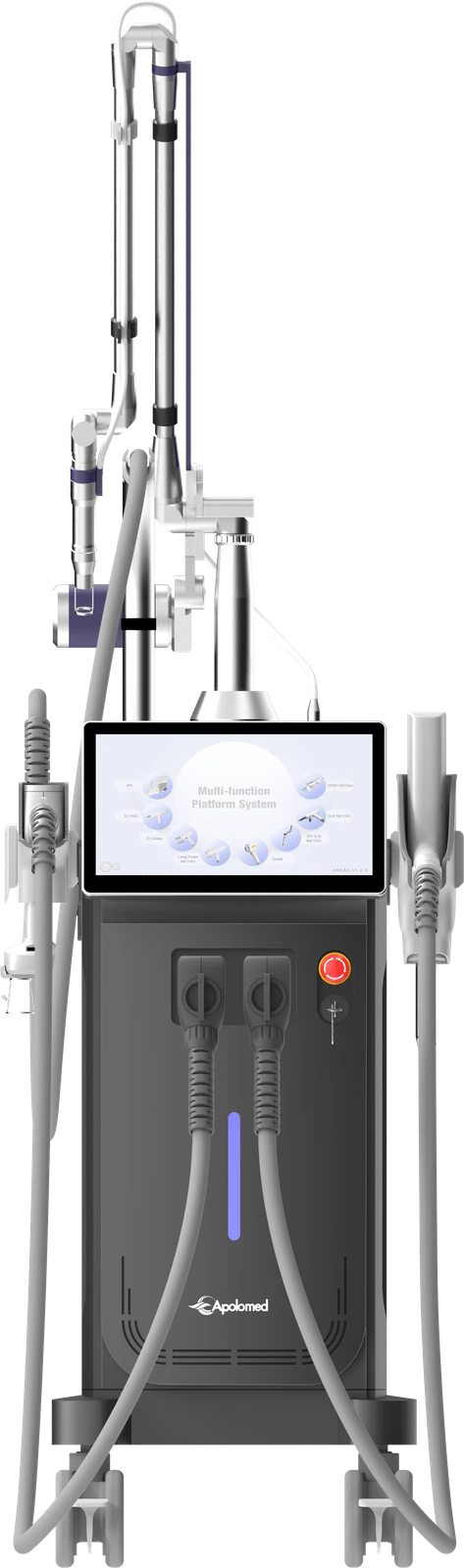
Apolo One
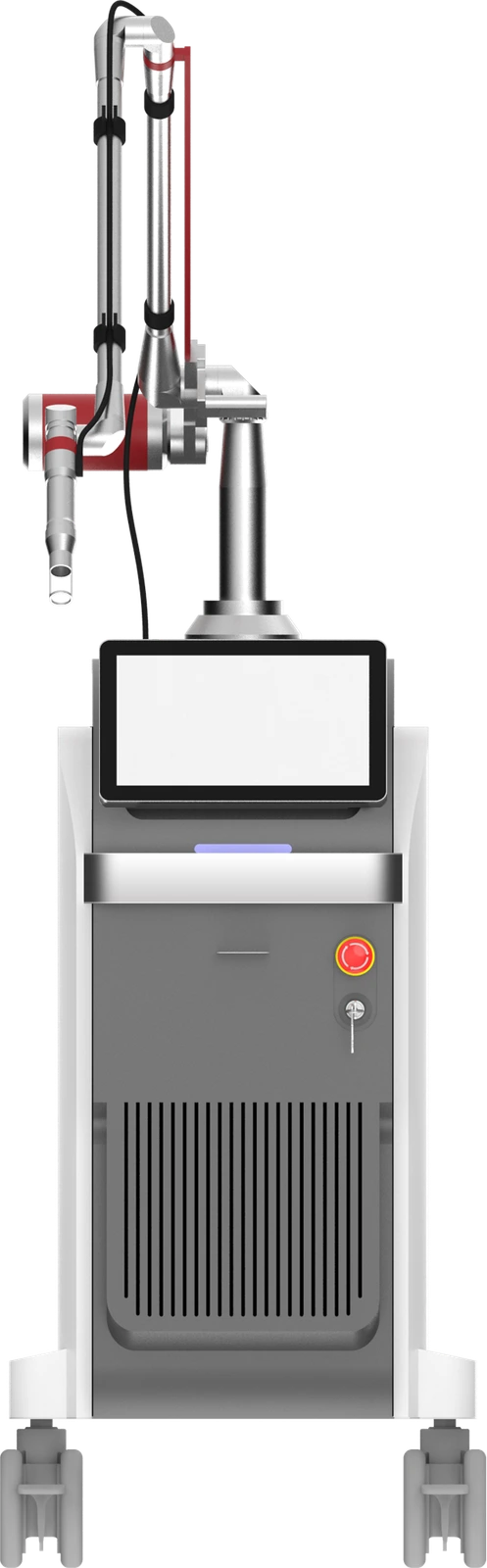
PicoFusion
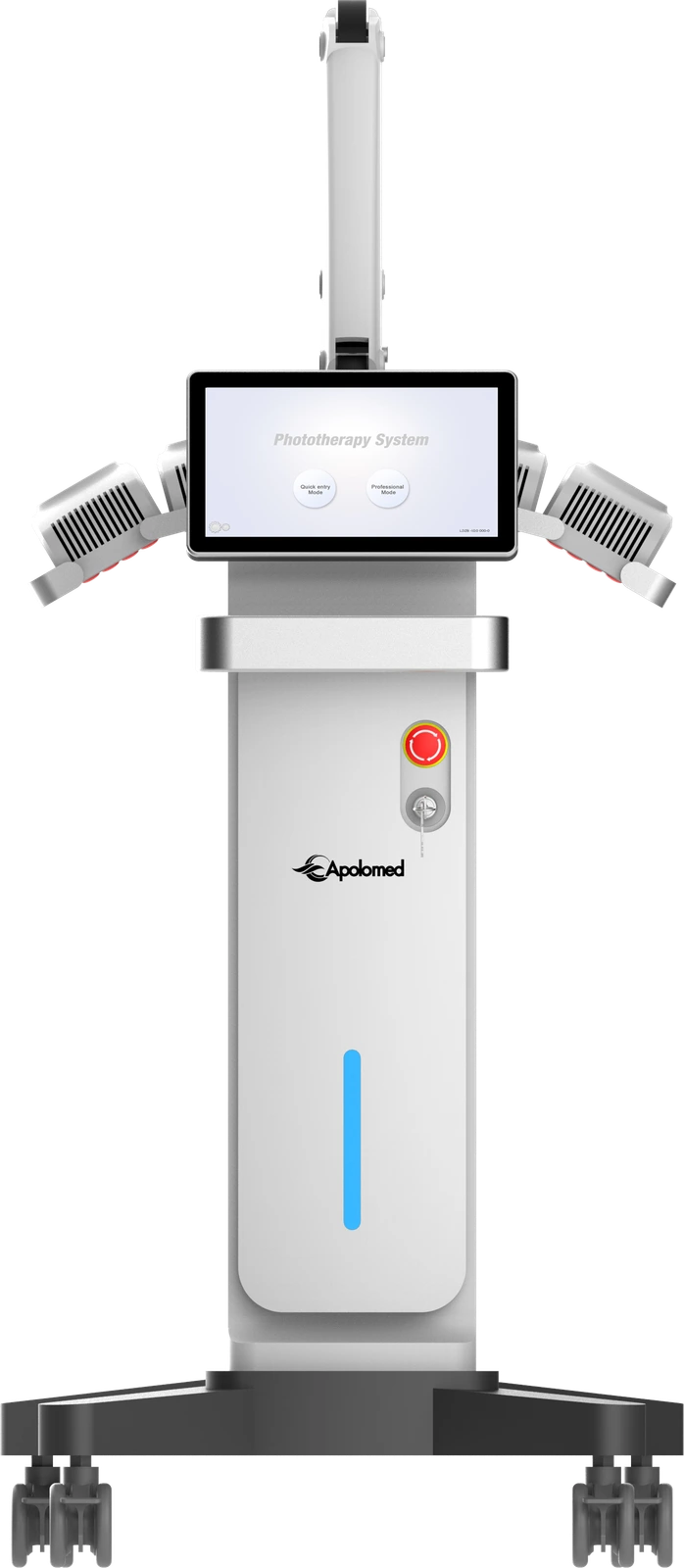
PhotoVive
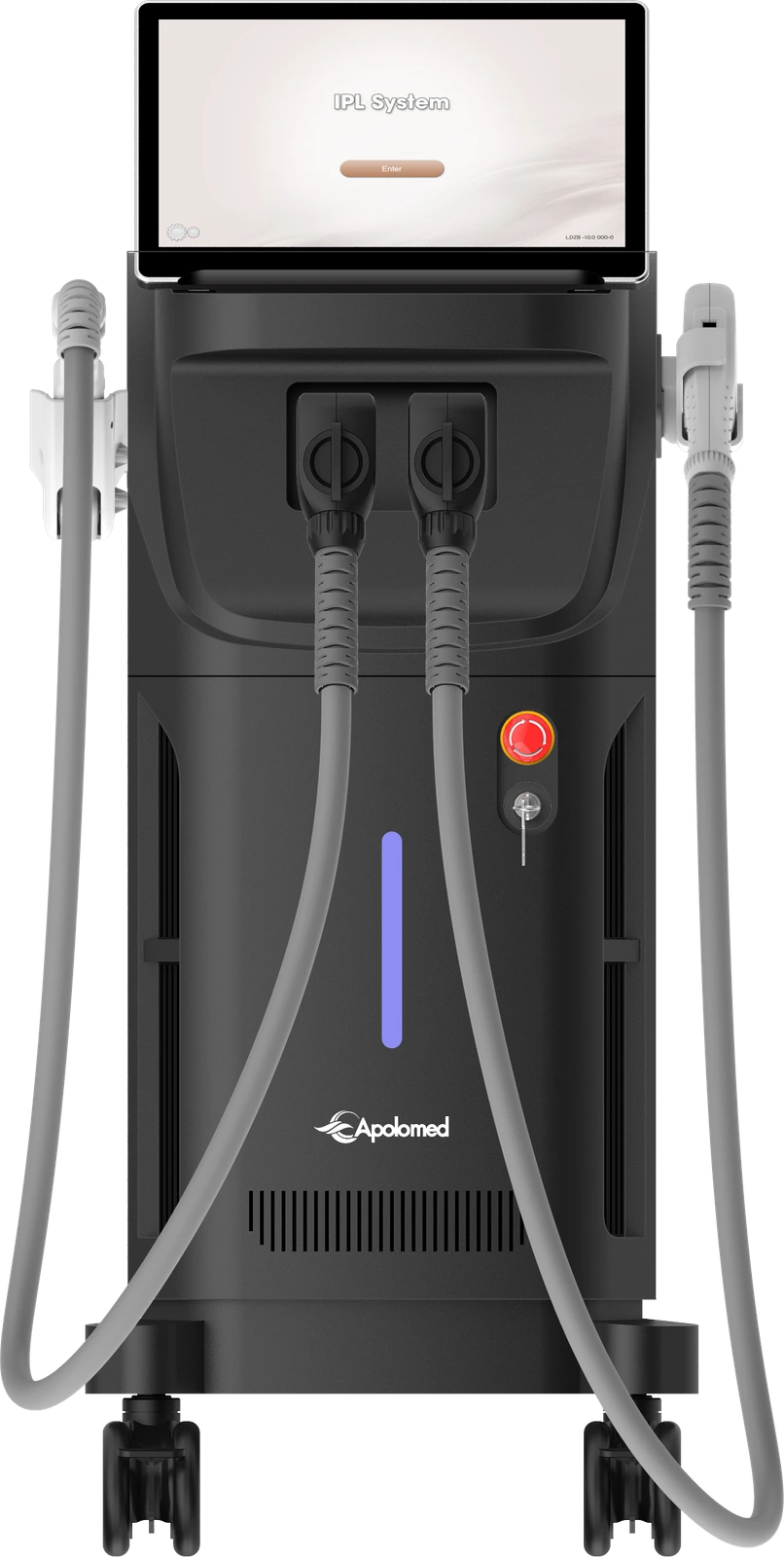
PulseVive
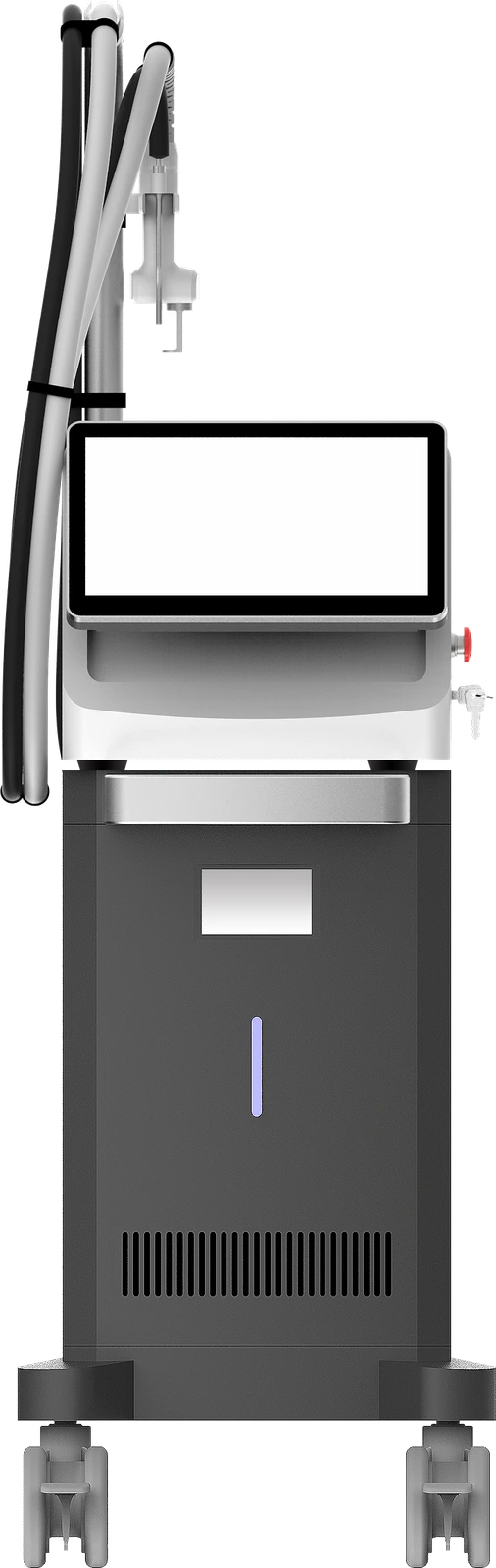
DuoVive
Request the Product Brochure
Enter your name and email, and we will send this product's brochure link.
Request Brochure